BLOG

Our engineers often share knowledge about bearing applications, technologies, solutions and other related knowledge here, you can search for articles related to you to read.

Robot bearings
bearing application engineer | Maxwell

What are the key factors to consider when selecting humanoid robot bearings?

The key factors to consider when selecting humanoid robot bearings are the load, precision and space limitations of different joints; the bearings in humanoid robots will perform repetitive movements, so friction and wear resistance are also key indicators of bearings; during the design phase of the humanoid robot, the future

read more »
Humanoid Robot
bearing application engineer | Maxwell

How to choose bearings for humanoid robots?

When choosing bearings for a humanoid robot, it’s crucial to match the bearing type with the specific joint’s function, load, speed, and precision requirements. Ball bearings and roller bearings are commonly used for general rotation and high-load joints like the shoulders and hips, while needle bearings and miniature ball bearings

read more »
Humanoid robot bearings
bearing application engineer | Maxwell

How many parts of a humanoid robot use bearings? Which parts are they?

From the head to the feet, bearings are integrated into various parts of a humanoid robot to facilitate rotation, bending, and intricate movements. Key areas where bearings are used include the head/neck (for turning and tilting), shoulders (for arm movement), elbows (for bending), wrists (for precise hand movements), and hips

read more »
Robot arm bearings
bearing application engineer | Maxwell

Why do industrial robots use crossed roller bearings?

Industrial robots use crossed roller bearings because they offer several key advantages crucial to robotic performance. These bearings are designed to handle high radial, axial, and moment loads simultaneously, making them ideal for the demanding conditions of robotic joints and axes. Their compact size and low profile allow for space-efficient

read more »
Thin-walled angular contact ball bearings
bearing application engineer | Maxwell

What are the failure forms of thin-walled angular contact ball bearings? What are the causes of failure?

Thin-walled angular contact ball bearings can fail due to several modes, including fatigue failure, wear and abrasion, corrosion, thermal damage, fretting wear, brinelling, fractures, and creep. These failures arise from factors such as excessive loads, insufficient or contaminated lubrication, exposure to moisture or chemicals, poor installation, vibration, and material defects.

read more »
Motor bearings
bearing application engineer | Maxwell

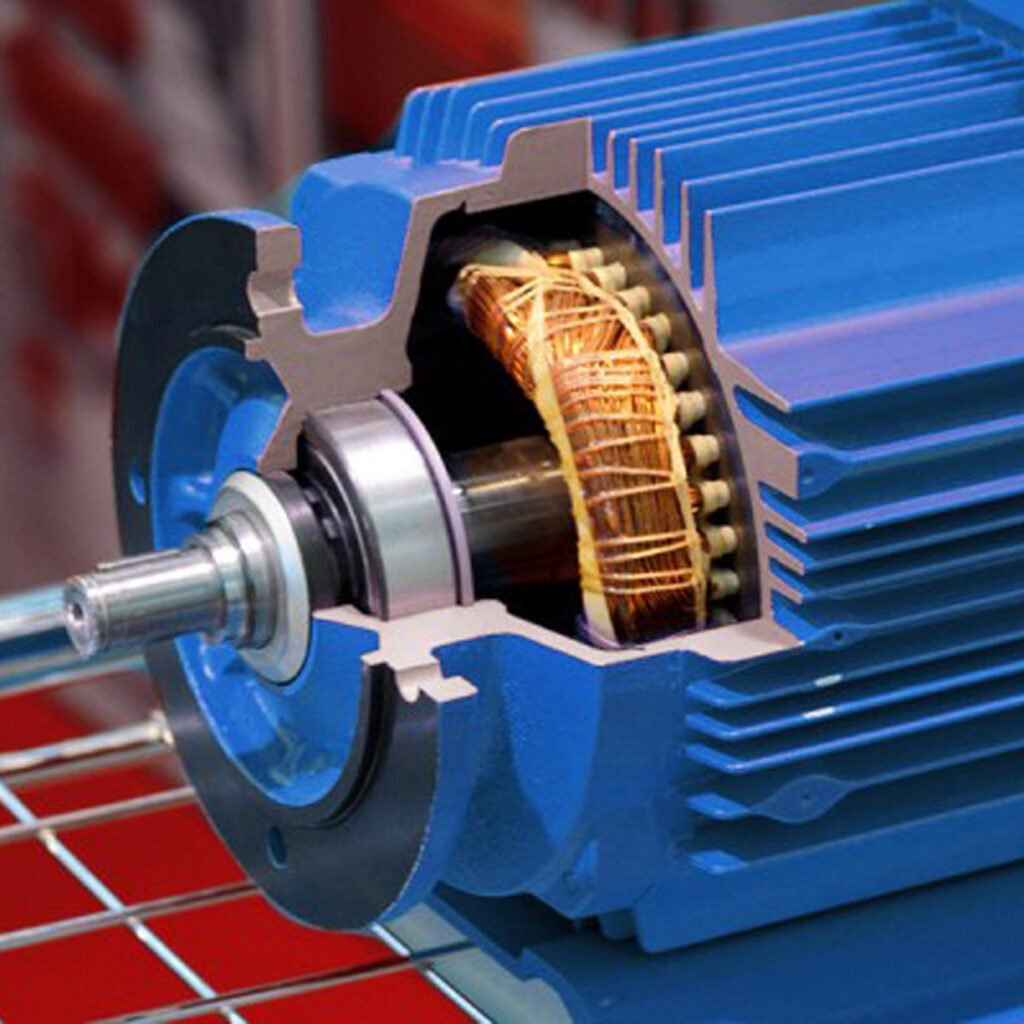
What is the cause of electrical corrosion of motor bearings? How to deal with electrical corrosion of motor bearings?

Electrical corrosion of motor bearings is primarily caused by shaft voltage, drive induced current, insufficient lubrication and poor grounding, electrostatic discharge (ESD), motor design issues, etc. If not addressed, it can result in severe motor damage, increased downtime, and expensive repairs. Preventive measures such as using insulated bearings, installing shaft

read more »
bearing application engineer | Maxwell

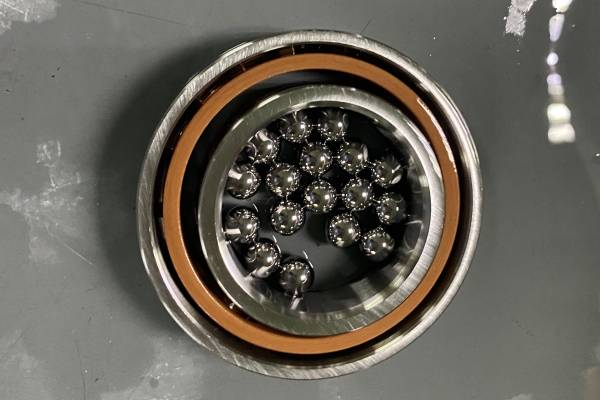
How to ensure the precision of angular contact ball bearing pairing?

Angular contact ball bearing pairing accuracy can be ensured by using the universal pairing method. Angular contact ball bearings are affected by their structural design, generally used in the form of paired combination of mounting to enhance the rigidity and load capacity of the bearings. Bearing manufacturers produce angular contact

read more »
Gearbox bearings
bearing application engineer | Maxwell

Four stages of rolling bearing failure and preventive measures

The first stage is the embryonic stage of bearing failure. At this time, the temperature is normal, the noise is normal, the total vibration velocity and spectrum are normal, but the total peak energy and spectrum have signs. In the second stage, the temperature is normal, the noise increases slightly,

read more »
bearing application engineer | Maxwell

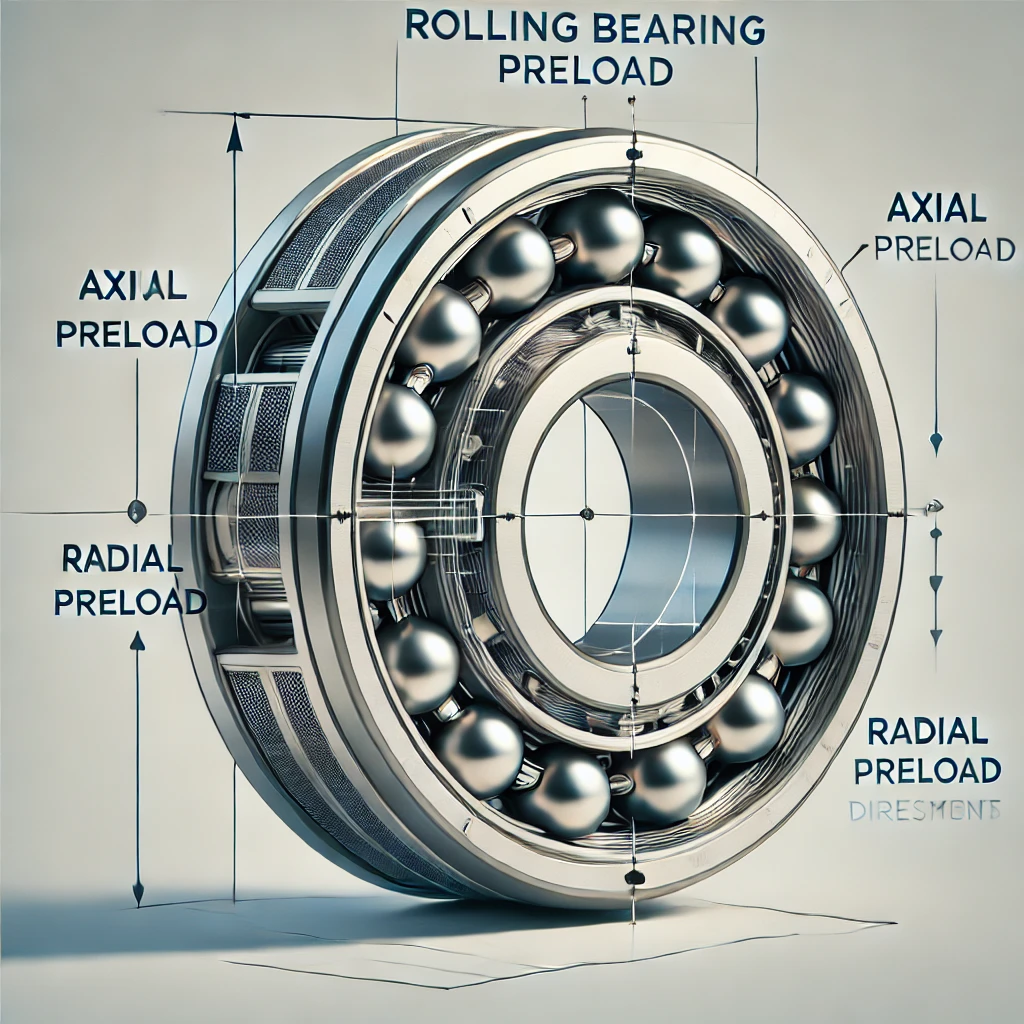
Preload Methods for Rolling Bearings

The preload methods of rolling bearings are divided into two categories: radial preload method and axial preload method. The radial preload method is also called radial top tightening method, which is mostly used in tapered bore bearings that bear radial loads; the axial preload method is also called axial preload

read more »
bearing application engineer | Maxwell

Innovation and New Trends in Ball Bearing Materials

the continuous evolution of ball bearing materials and manufacturing technologies demonstrates the industry’s commitment to meeting the growing demands for durability, efficiency, and versatility. From advanced chrome alloys that enhance precision and reduce noise, to tungsten carbide for extreme durability, and innovative plastics for lightweight, corrosion-resistant applications, these advancements are

read more »
Bearing solutions
Steelworker at work near the tanks with hot metal
Metallurgical Equipment Bearing solutions
road construction
Construction Machinery Bearing solutions
Vibrating Screen Equipment Bearing solutions
Transmission Equipment Bearing solutions
Coal mining in an open pit
Mining Equipment solutions Bearing solutions
Mechanical equipment bearings
Mechanical Equipment Industry Bearing solutions
Power tool bearings
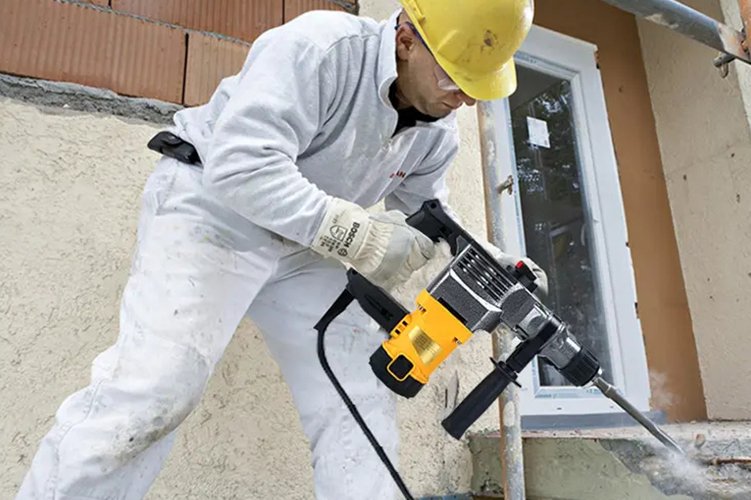
Power Tool Bearing solutions
Gear box bearings
Gear Box Bearing solutions
Forklift bearings
Forklift Bearing solutions
Industrial robots
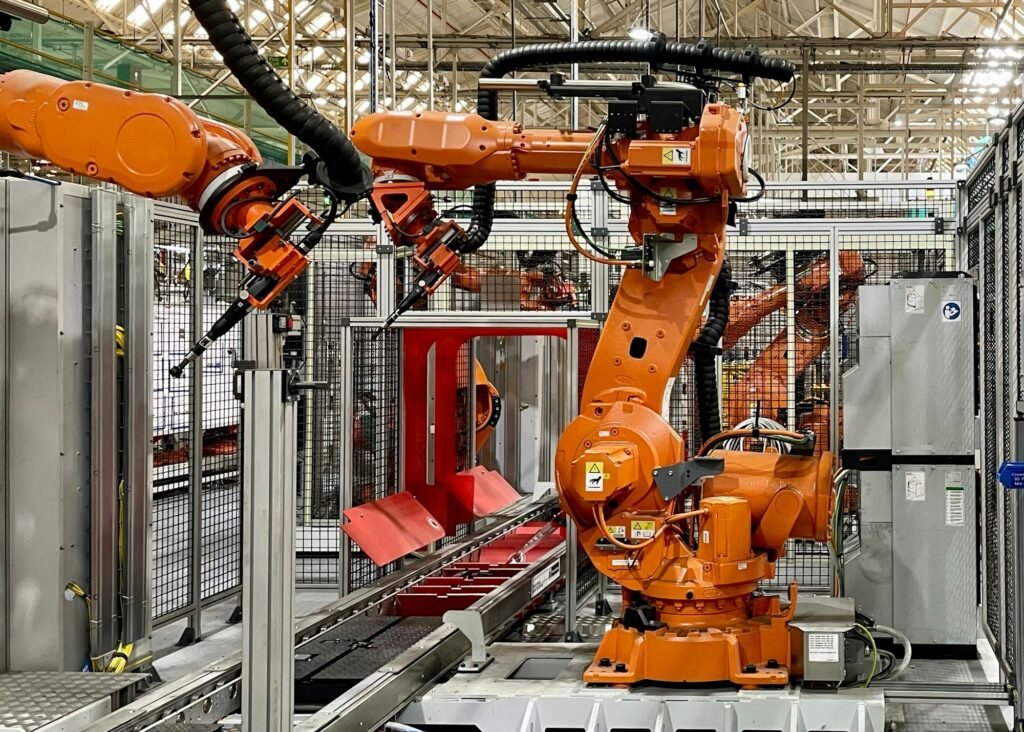
Industrial Robot Bearing Solutions

Hot Products

Engraving machine spindle bearings
milling machine bearings
harmonic reducer bearing
Spindle Bearing
Spindle Bearing
Blower bearings
Textile machinery bearings
Motor bearings
Motor bearings
Reducer bearings
Reducer bearings
Industrial robot bearings

* vkuken takes your privacy seriously. All information is used for technical and commercial communication only and will not be disclosed to third parties. If you are interested in more bearing technology, you can click on this article for reference.

Our team knows that every customer inquiry is very important; our professional engineers will reply to you within 24H.

“Your contact information will be kept absolutely confidential and will not be disclosed.”

Inquire now