
As a bearing application engineer specializing in industrial equipment, I’ve worked closely with manufacturers and maintenance teams in the textile sector. The speed, precision, and reliability demanded by textile machinery place unique requirements on bearing performance. Whether you’re a machine operator, factory manager, or bearing distributor, understanding how to properly select and maintain bearings for textile applications is critical to ensuring smooth operation and preventing costly downtime.

1. Understand the Characteristics of Textile Machinery
Textile machines—such as spinning frames, looms, winders, and dyeing equipment—operate under high speeds, light to moderate loads, and tight space constraints. They also require extremely low noise and high rotational accuracy to ensure fabric consistency.
Common textile machinery includes:
- Ring Spinning Machines
- Air Jet / Water Jet Looms
- Texturing Machines
- Warping and Weaving Machines
- Dyeing and Finishing Lines
Each of these applications places different demands on bearings in terms of speed, temperature, vibration, and load.
2. Selecting the Right Bearing Type
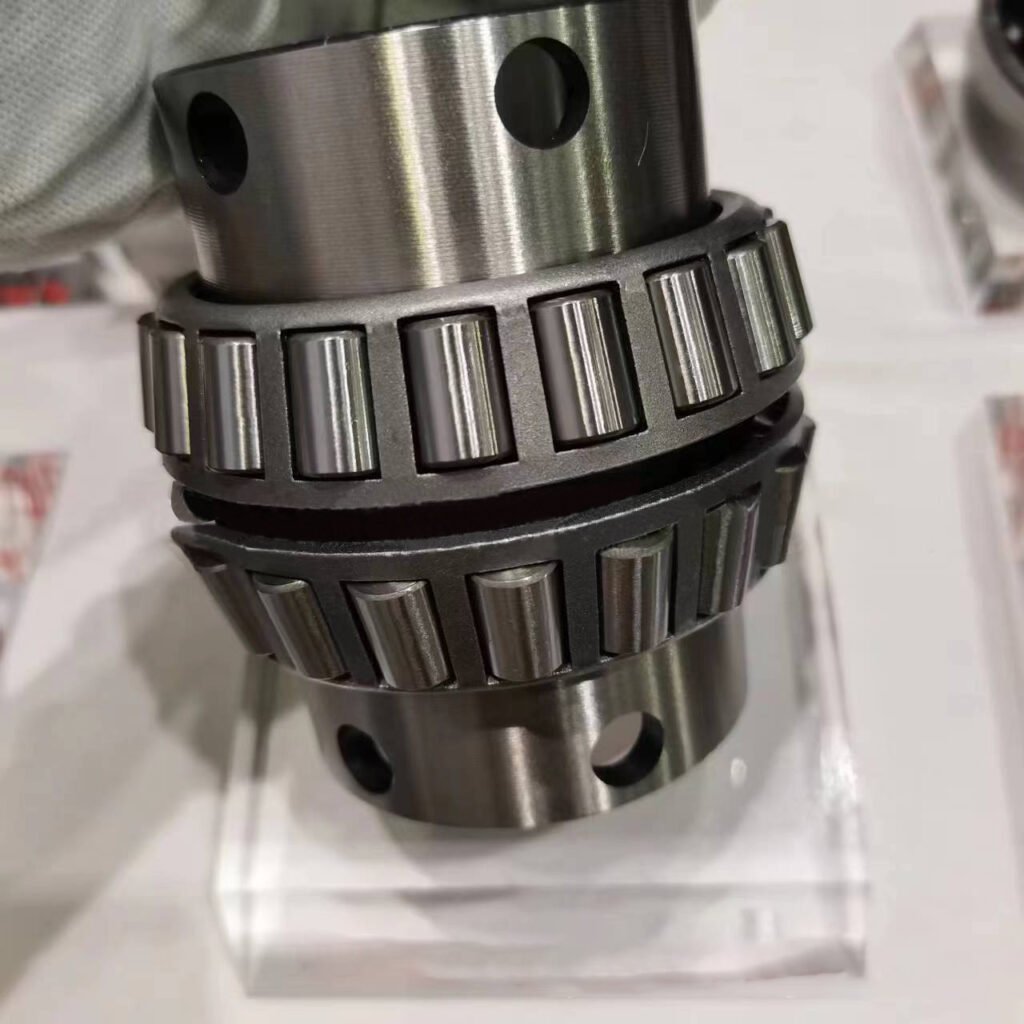
Common Bearing Types Used in Textile Machinery:
| Equipment | Bearing Type | Key Features |
| Spindle Units | Angular Contact Ball Bearings (P5/P4) | High-speed, low vibration |
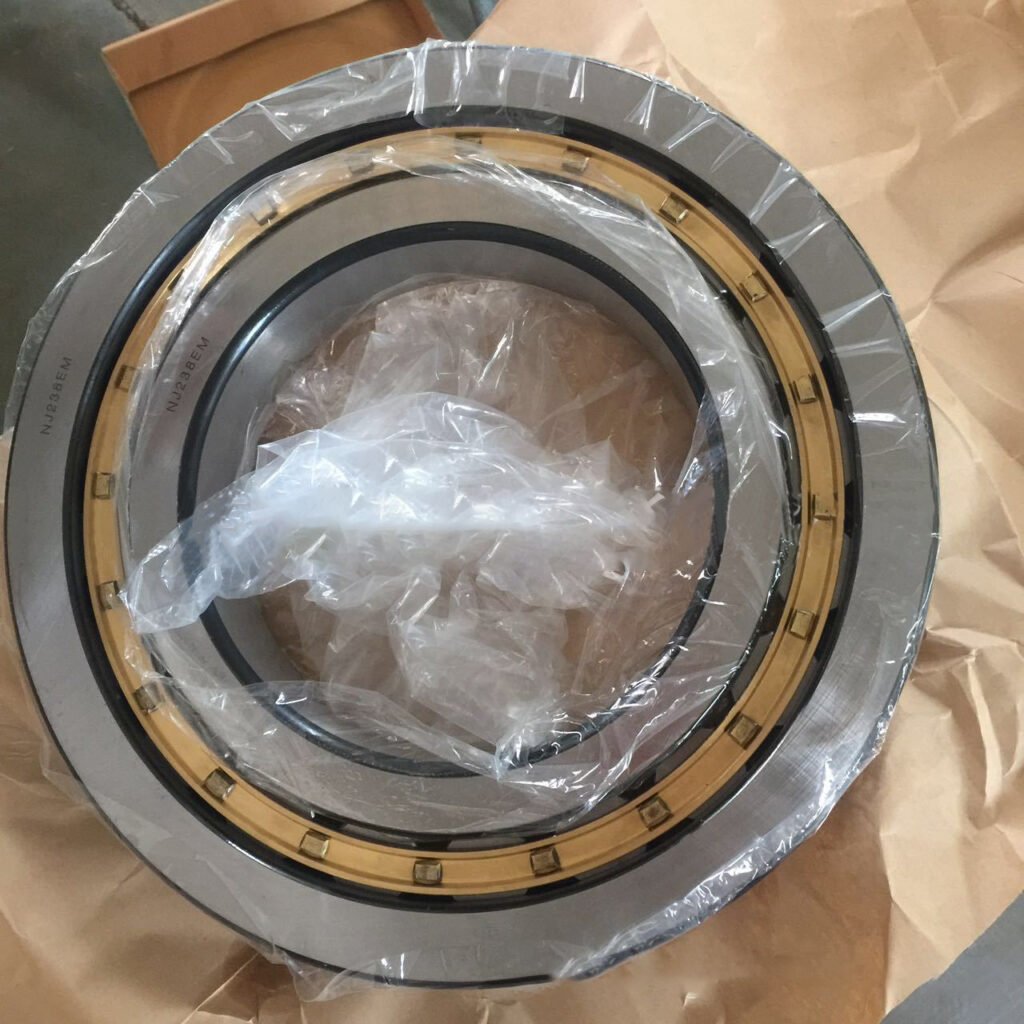
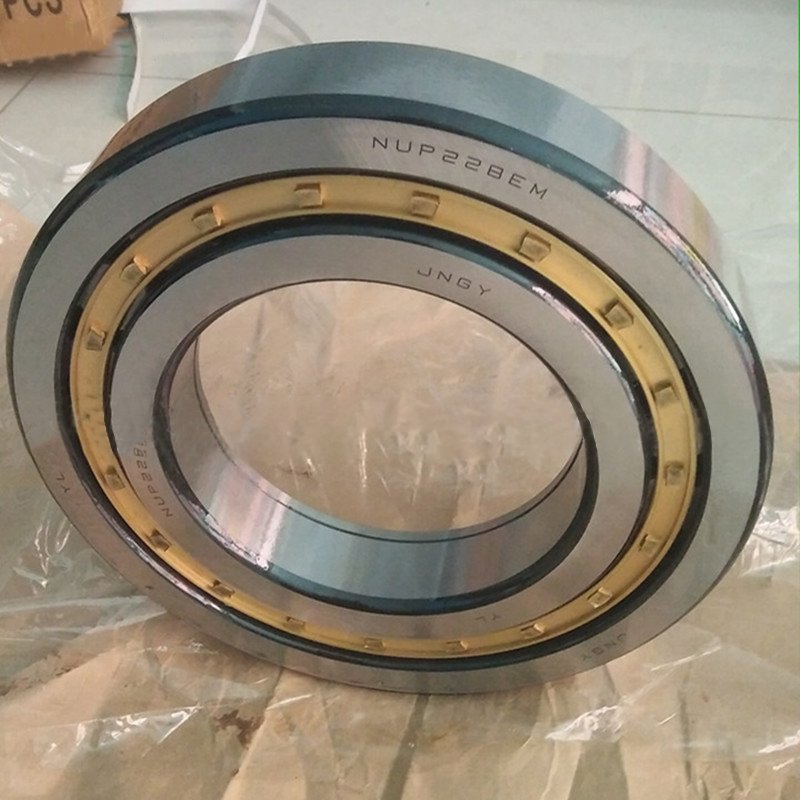
| Looms | Deep Groove Ball / Cylindrical Roller Bearings | Durable, precise, low noise |
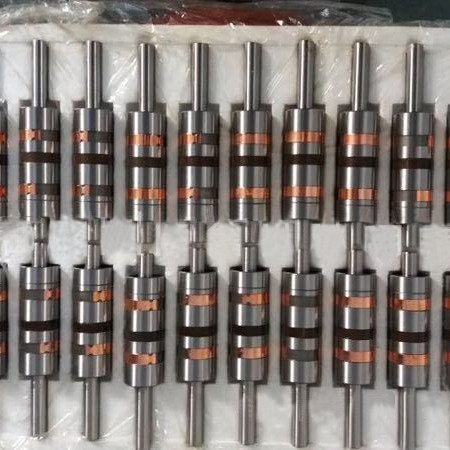
| Winders & Twisters | Needle Roller / Self-aligning Ball Bearings | Compact, stable under misalignment |
| Dyeing Machines | Spherical Roller Bearings | High temperature & load resistance |
| Motors / Fans | Sealed Deep Groove Ball Bearings | Maintenance-free, low friction |
Key Selection Factors:
- Speed Capability: Bearings must be designed for high RPMs, especially in spindle and winding units.
- Noise and Vibration: Choose low-noise, low-vibration bearings for quiet operation and product quality.
- Sealing and Lubrication: Use sealed or pre-lubricated bearings in fiber-prone environments to prevent contamination.
- Clearance and Precision: Select appropriate internal clearance (C3, C4) and precision class (P5, P4) depending on application.
- Thermal Stability: In high-temperature dyeing or drying equipment, heat-resistant steel or special coatings may be required.
3. Bearing Failure Modes in Textile Applications
Based on field analysis, I’ve found the following to be the most common causes of bearing failure in textile machinery:
- Lubrication Failure: High-speed bearings require proper grease viscosity and correct intervals of re-lubrication.
- Contamination: Textile fibers, dust, and humidity can penetrate poorly sealed bearings and cause premature wear.
- Overheating: Poor ventilation or excessive friction can degrade lubricant and damage components.
- Improper Fit or Mounting: Misaligned shafts or incorrect installation tools can introduce early stress fractures.
- Fatigue and Wear: Long service hours under cyclic loads without proper inspection lead to fatigue spalling.
4. Best Practices for Maintenance and Inspection
Regular maintenance and predictive monitoring are critical in textile environments.
- Inspection Checklist:
- Check for abnormal noise during operation.
- Measure bearing housing temperatures.
- Inspect for shaft misalignment or unbalanced rotation.
- Replace bearings showing signs of vibration spikes or excessive clearance.
- Lubrication Tips:
- Use low-noise synthetic grease with high thermal stability for high-speed units.
- Apply automatic lubrication systems for difficult-to-access locations.
- Avoid over-lubrication, especially in sealed bearings—excess grease causes heat buildup.
- Storage & Handling:
- Store in dry, temperature-stable environments.
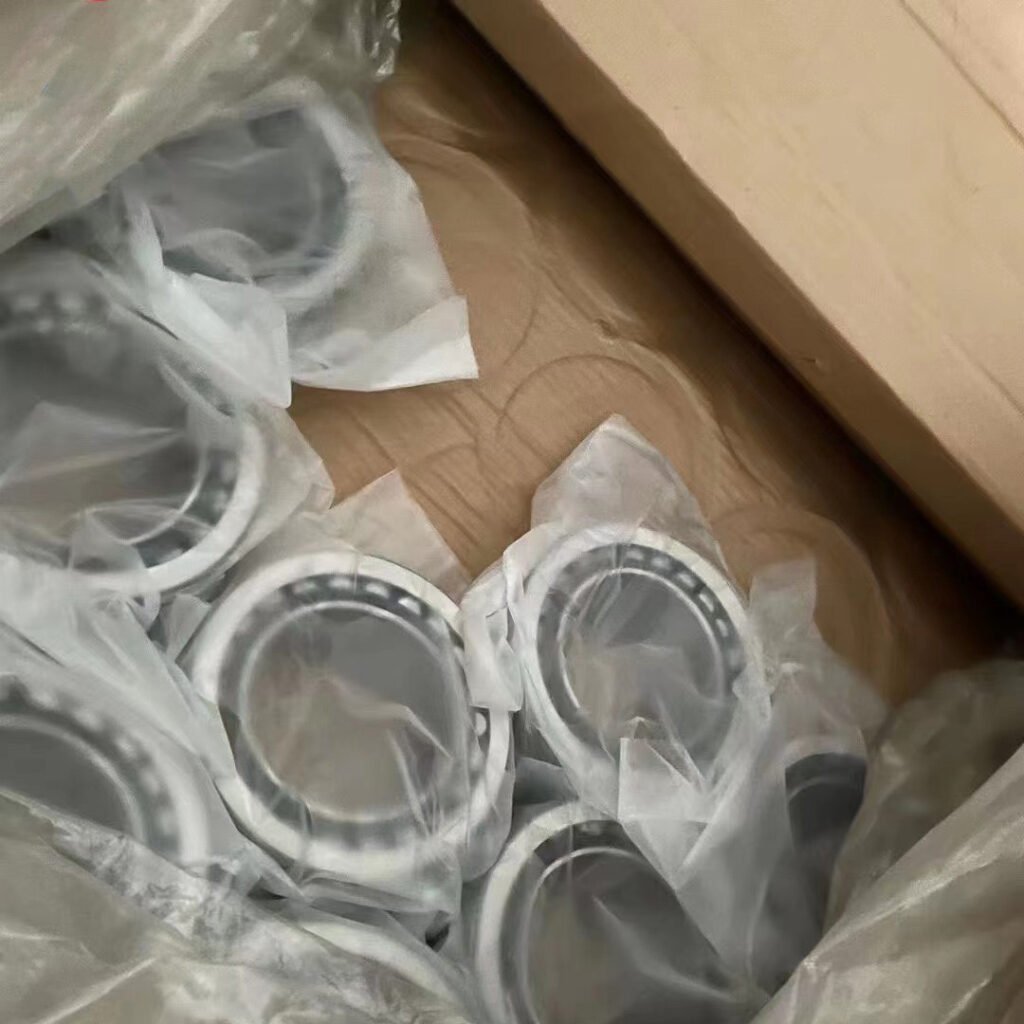
- Do not remove bearings from packaging until installation.
- Use clean tools and gloves during assembly to avoid contamination.
5. Distributor Recommendations for Textile Industry
As a bearing distributor serving the textile sector, you can add value by:
- Stocking P5/P4 class bearings with high-speed ratings.
- Offering customized lubrication solutions or pre-packed bearings.
- Educating clients on installation techniques and bearing condition monitoring.
- Providing failure analysis reports to help improve future bearing selection.
Conclusion
Selecting and maintaining the right bearing in textile machinery is not just a technical requirement—it’s a business advantage. With machines running at high speeds and precision playing a central role, bearing quality and reliability are non-negotiable. Whether you’re sourcing for a spinning line or a weaving workshop, I hope this guide helps you make informed decisions that enhance machine uptime and production quality.
If you’re looking for tailored bearing solutions or need help diagnosing equipment failures, I’m always ready to provide technical support and product matching based on real-world textile machinery needs.