Roller bearings use cylindrical rolling elements instead of balls, allowing them to support higher radial and axial loads. Due to the larger contact area between rollers and raceways, roller bearings are widely used in heavy machinery, automotive systems, mining equipment, and industrial transmission systems.

Cylindrical Roller Bearings
spherical roller bearings
Spherical Roller Bearings
Tapered Roller Bearings
Gearbox bearings
Thrust Roller Bearings
needle roller bearing
Needle Roller Bearings

ball bearing composition

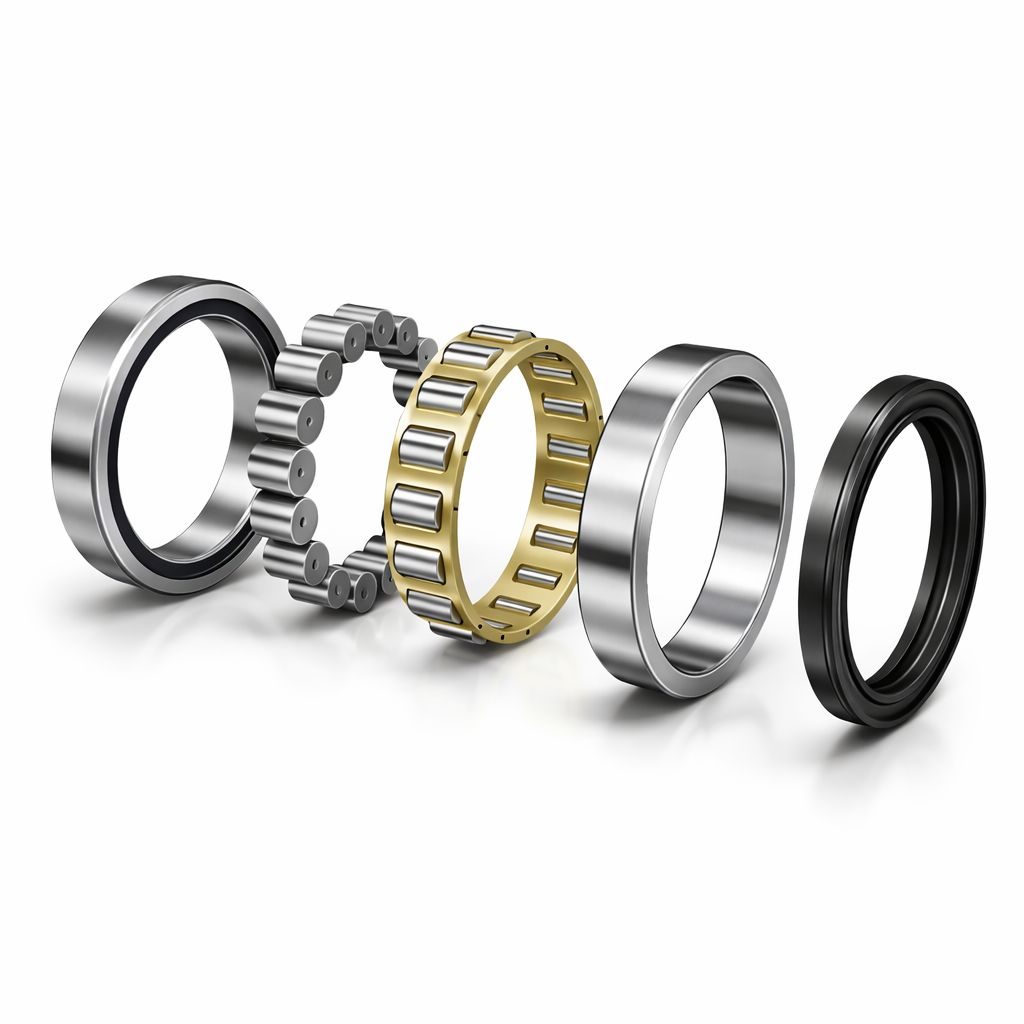
Core Parts

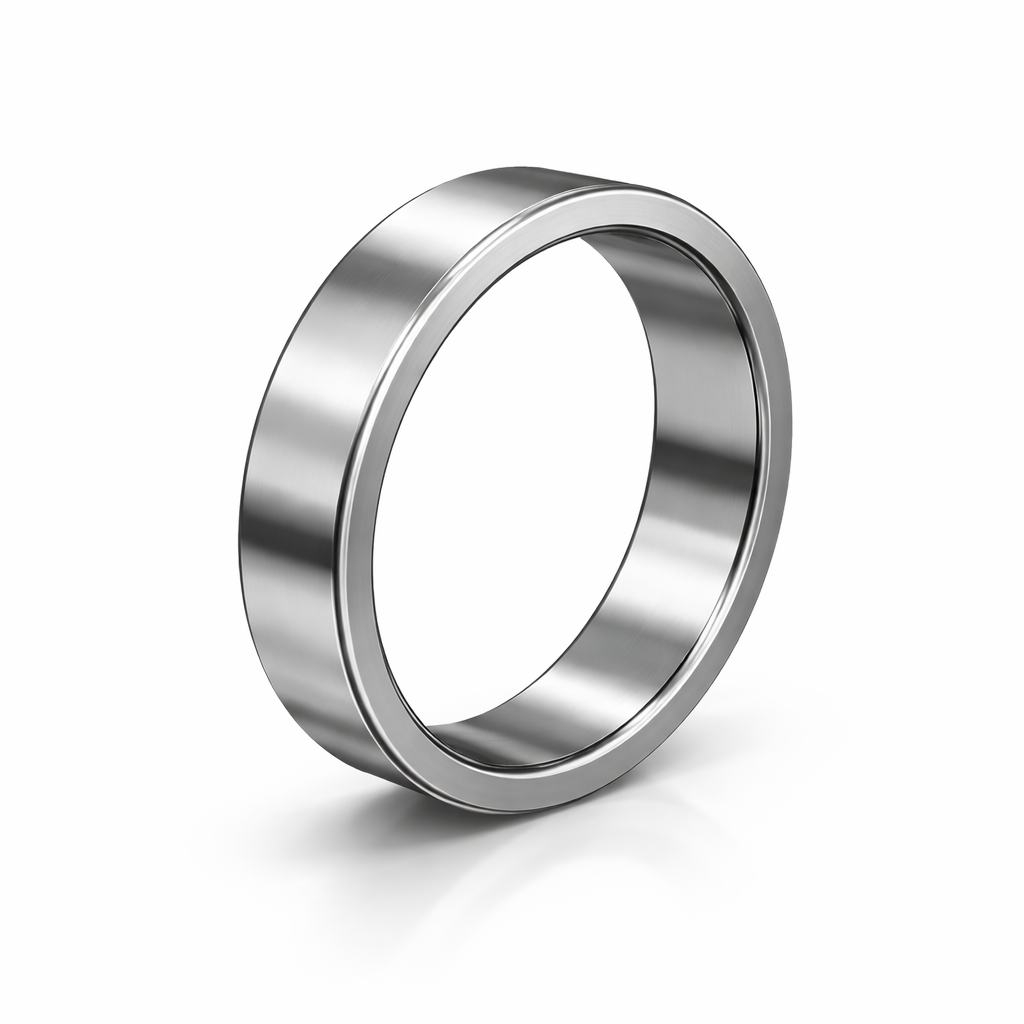
  • Inner Ring (Inner Race)
  • Outer Ring (Outer Race)
  • Rolling Elements (Rollers)
  • Cage (Retainer)

Optional Components

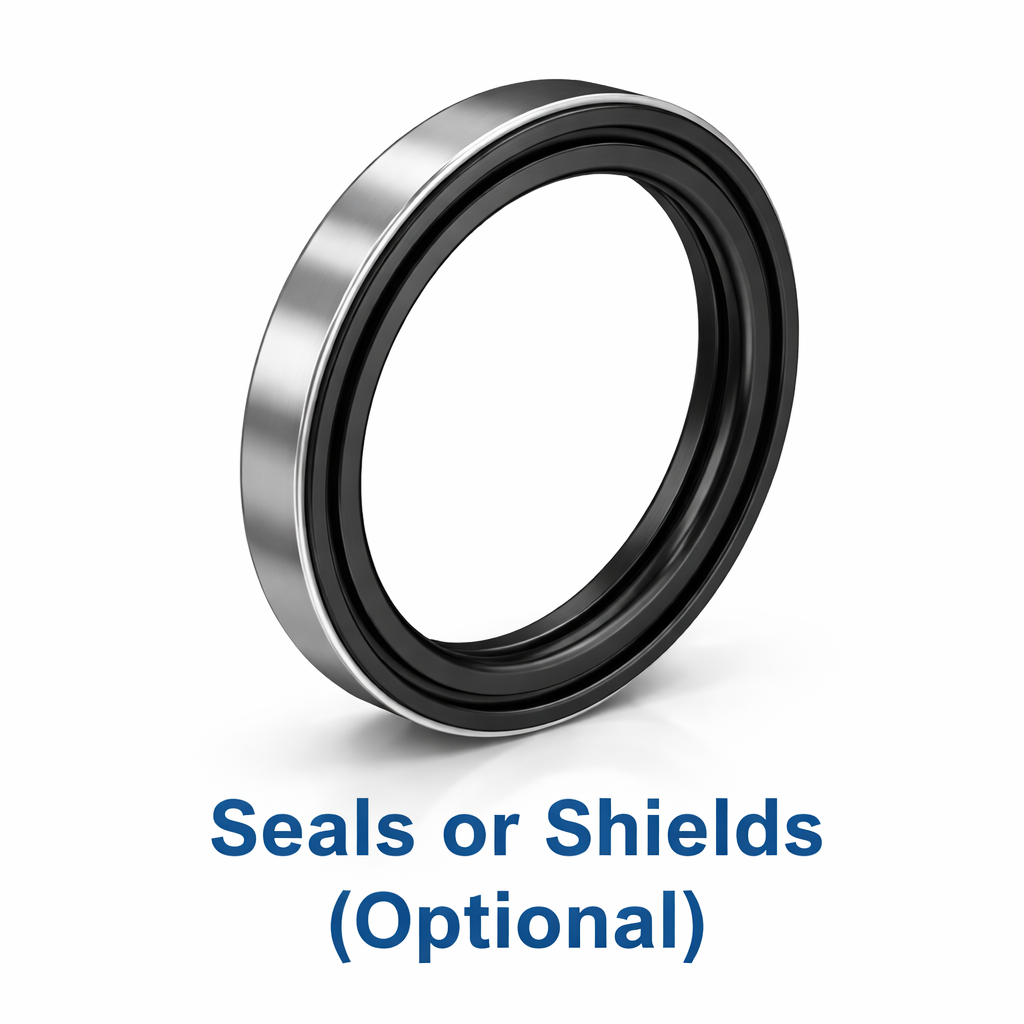
  • Seals or Shields
  • Lubricant
Inner Ring Materials

The inner ring fits onto the rotating shaft and provides the inner raceway surface for the rollers.

It rotates with the shaft and transfers loads from the shaft to the rolling elements.

MaterialCharacteristics
GCr15 (AISI 52100)High hardness, excellent fatigue resistance
Carburized alloy steel (20CrMnTi)Tough core with hardened surface for heavy loads
Stainless steel (AISI 440C)Corrosion resistance

Hardness

After heat treatment:

HRC 58–64

Outer Ring Materials

The outer ring is mounted in the housing and provides the outer raceway for the rollers.

It typically remains stationary while supporting the load transmitted through the rolling elements.

Outer rings generally use the same materials as inner rings:

  • GCr15 / AISI 52100 bearing steel

  • Carburized alloy steel

  • Stainless bearing steel

These materials provide excellent contact fatigue strength and wear resistance.

roller bearing Inner Ring
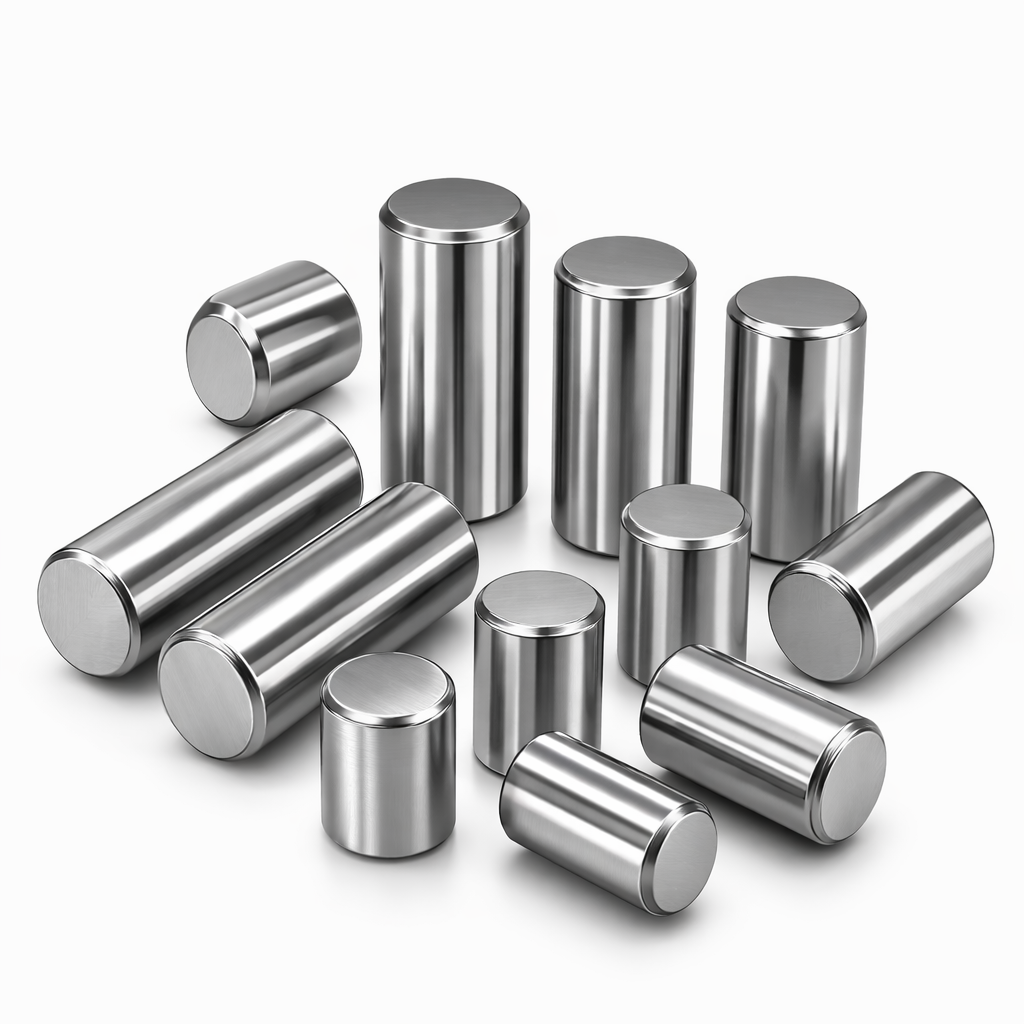
Rollers (Rolling Elements)

Rollers are the primary load-bearing elements in a roller bearing.

Because they form line contact with raceways, they distribute loads over a larger contact area.

Roller Types

Roller TypeUsed In
Cylindrical rollersCylindrical roller bearings
Barrel-shaped rollersSpherical roller bearings
Tapered rollersTapered roller bearings
Needle rollersNeedle roller bearings

Materials

MaterialFeatures
AISI 52100 bearing steelStandard material with high fatigue strength
Carburized alloy steelHigh impact resistance
Ceramic (Si₃N₄)High-speed and high-temperature performance

Hardness

Typical hardness:

HRC 60–66

Cage (Retainer) Materials

The cage holds the rollers at equal spacing and guides their movement within the bearing.

It prevents roller-to-roller contact, reducing friction and heat generation.

Cage Types

TypeManufacturing Method
Pressed cageStamped sheet metal
Machined cageCNC machining
Polymer cageInjection molded

Materials

MaterialApplication
Pressed steelStandard industrial bearings
Machined brassHeavy-duty and high-speed bearings
Nylon (PA66 / PA46)Electric motors and low-noise applications
Phenolic resinHigh-speed precision machinery
Cylindrical roller bearing copper cage
Seal Shield Materials

Seals protect the internal components from dust, water, and other contaminants, while also retaining lubricant.

Seal Types

TypeDescription
Metal shield (ZZ)Non-contact dust protection
Rubber seal (RS)Contact sealing for dust and oil
Non-contact rubber sealReduced friction sealing

Seal Materials

MaterialProperties
NBR (Nitrile rubber)General industrial use
FKM (Viton)High temperature resistance
Silicone rubberExcellent low-temperature flexibility
Seals or Shields Optional

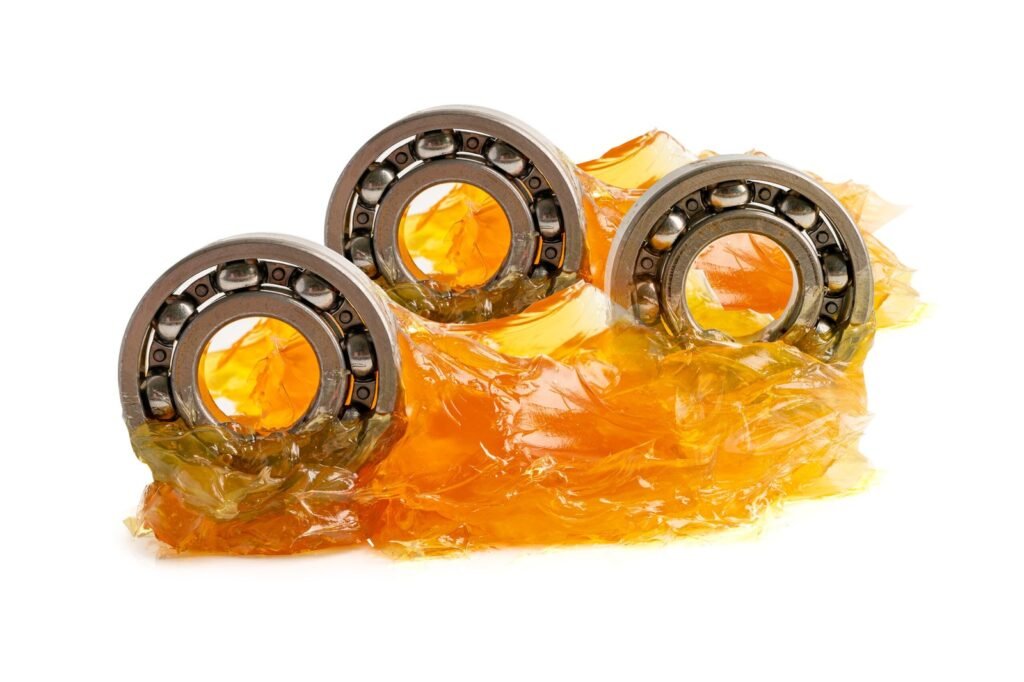
Grease lubrication is the most widely used lubrication method for roller bearings, providing reliable sealing, long service life, and simplified maintenance. Selecting the appropriate grease depends on operating conditions such as load, speed, temperature, humidity, and contamination levels.

Types of Lubrication for Roller Bearings

Grease is the most common lubrication method for roller bearings.

Grease Lubrication
Grease TypeKey CharacteristicsTypical Applications
Lithium GreaseExcellent mechanical stability, good water resistance, wide operating temperature range (-30°C to 130°C), good oxidation stabilityGeneral industrial machinery, electric motors, conveyors, agricultural equipment
Lithium Complex GreaseHigher temperature resistance than standard lithium grease (up to ~150°C), good load-carrying capacity, excellent durabilityAutomotive wheel bearings, gearboxes, heavy machinery, industrial roller bearings
Calcium GreaseOutstanding water resistance, good corrosion protection, moderate temperature capabilityMarine equipment, pumps, wet environments, low-speed roller bearings
Calcium Sulfonate GreaseExceptional corrosion resistance, excellent extreme-pressure performance, strong water resistance, very high load capacityMining equipment, steel mills, marine machinery, heavy-load roller bearings
Polyurea GreaseExcellent oxidation resistance, long service life, low noise, good high-temperature performanceElectric motors, sealed-for-life bearings, high-speed roller bearings

Oil Lubrication

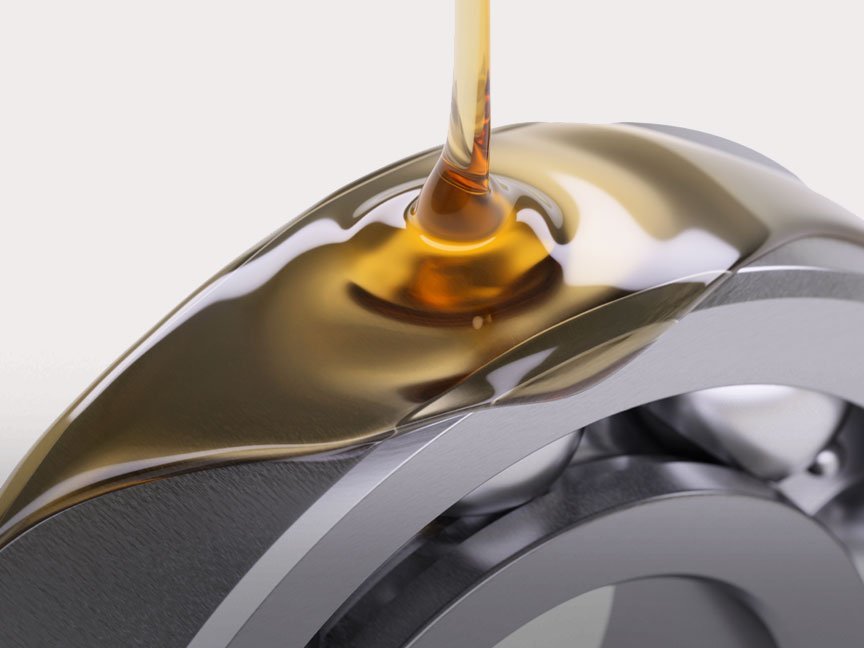
Oil lubrication is preferred in high-speed or high-temperature applications.

Oil Lubrication

Common Oil Lubrication Methods

Oil Bath Lubrication

  • Bearing partially immersed in oil

  • Simple and widely used in gearboxes

Oil Circulation System

  • Oil pumped continuously through bearings

  • Used in turbines, compressors, heavy machinery

Oil Mist Lubrication

  • Atomized oil delivered with compressed air

  • Used for high-speed bearings

Oil Jet / Injection Lubrication

  • High-pressure oil directed to contact surfaces

  • Suitable for high-speed roller bearings.

Lubricant Selection Factors

Choosing the correct lubricant depends on several operating parameters.

Speed

  • High speed → lower viscosity oil
  • Low speed → higher viscosity oil


Temperature

High temperatures require lubricants with:

  • High oxidation resistance

  • Stable viscosity

Load

Heavy loads require higher viscosity lubricants to maintain film thickness.

Environment

Special environments may require lubricants with:

  • Water exposure
  • Dust contamination
  • Chemical exposure
Common Surface Treatment Methods Used For Roller Bearings.

Surface treatment of roller bearings is an essential engineering process used to improve wear resistance, corrosion resistance, fatigue life, and friction performance. These treatments modify the bearing surface without significantly altering the core material properties, allowing bearings to operate reliably under high loads, high speeds, and harsh environments.

Black Oxide Treatment

ItemDescription
ProcessChemical conversion coating that creates a thin black oxide layer on the steel surface
Layer ThicknessTypically 1–2 µm
Key CharacteristicsImproves corrosion resistance, enhances lubricant retention, reduces risk of smearing
ApplicationsAutomotive transmissions, gearboxes, industrial roller bearings

Advantages

  • Improves running-in performance

  • Reduces friction during startup

  • Enhances lubricant adhesion

Black oxide is commonly used on spherical roller bearings and tapered roller bearings.

Phosphate Coating (Manganese or Zinc Phosphate)

ItemDescription
ProcessChemical treatment that forms a crystalline phosphate coating on steel
Layer Thickness5–15 µm
Key CharacteristicsExcellent oil retention, anti-scuffing properties, improved wear resistance
ApplicationsHeavy-duty roller bearings, mining equipment, construction machinery

Advantages

  • Reduces sliding friction

  • Improves lubrication retention

  • Enhances fatigue resistance under shock loads

Hard Chrome Plating

ItemDescription
ProcessElectroplating process depositing chromium onto bearing surfaces
Layer Thickness5–50 µm
Key CharacteristicsHigh hardness (up to ~1000 HV), strong corrosion resistance, excellent wear resistance
ApplicationsAerospace bearings, marine equipment, chemical machinery

Advantages

  • Excellent corrosion protection

  • Smooth surface finish

  • Increased abrasion resistance

Nitriding (Gas or Plasma Nitriding)

ItemDescription
ProcessThermochemical treatment that diffuses nitrogen into the steel surface
Layer Thickness0.1–0.6 mm
Key CharacteristicsExtremely hard surface layer, improved fatigue strength, enhanced wear resistance
ApplicationsHigh-load roller bearings, heavy industrial equipment

Advantages

  • High surface hardness (up to 1100 HV)

  • Improved rolling contact fatigue life

  • Excellent dimensional stability

PVD Coating (Physical Vapor Deposition)

ItemDescription
ProcessThin-film coating applied in a vacuum chamber
Typical CoatingsTiN, CrN, DLC
Layer Thickness1–5 µm
Key CharacteristicsLow friction coefficient, high hardness, excellent wear resistance
ApplicationsHigh-speed bearings, precision machinery, aerospace equipment

Advantages

  • Very low friction

  • High temperature stability

  • Extended service life

DLC Coating (Diamond-Like Carbon)

ItemDescription
ProcessCarbon-based coating applied using PVD or PECVD technology
Layer Thickness1–3 µm
Key CharacteristicsExtremely low friction, very high hardness, excellent wear resistance
ApplicationsHigh-speed roller bearings, automotive systems, precision instruments

Advantages

  • Friction coefficient as low as 0.05–0.1

  • Excellent anti-scuffing properties

  • High durability in boundary lubrication conditions

Zinc Plating

ItemDescription
ProcessElectroplating zinc onto the bearing surface
Layer Thickness5–25 µm
Key CharacteristicsStrong corrosion protection through sacrificial coating
ApplicationsOutdoor machinery, agricultural equipment

Advantages

  • Effective corrosion protection

  • Economical surface treatment method

Ceramic Coating (Hybrid Bearings)

ItemDescription
ProcessApplication of ceramic materials or ceramic rolling elements
Typical MaterialsSilicon nitride (Si₃N₄)
Key CharacteristicsLightweight, electrically insulating, extremely wear resistant
ApplicationsHigh-speed motors, aerospace, electric vehicles

Advantages

  • Reduced friction

  • Higher speed capability

  • Electrical insulation properties

Product knowledge training

If you want to know more about “More Roller Bearings”, you can also search for relevant information in the blog or download page of this website, or you can send us a message directly to explain your needs. Our professional engineers will reply you immediately after receiving your message.

Our team knows that every customer inquiry is very important; our professional engineers will reply to you within 24H.

“Your contact information will be kept absolutely confidential and will not be disclosed.”

Inquire now