 Skip to content
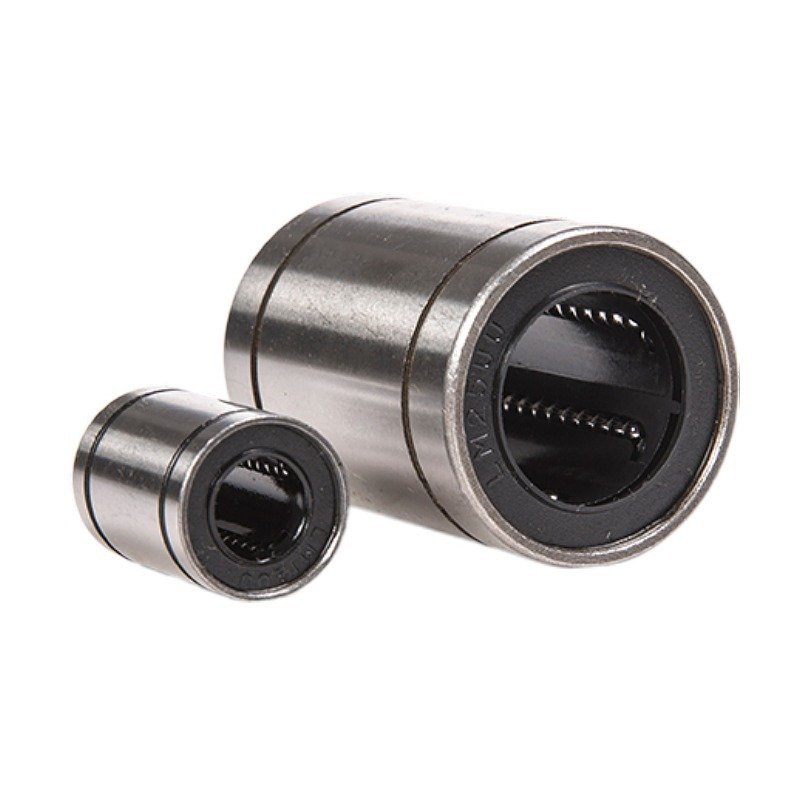
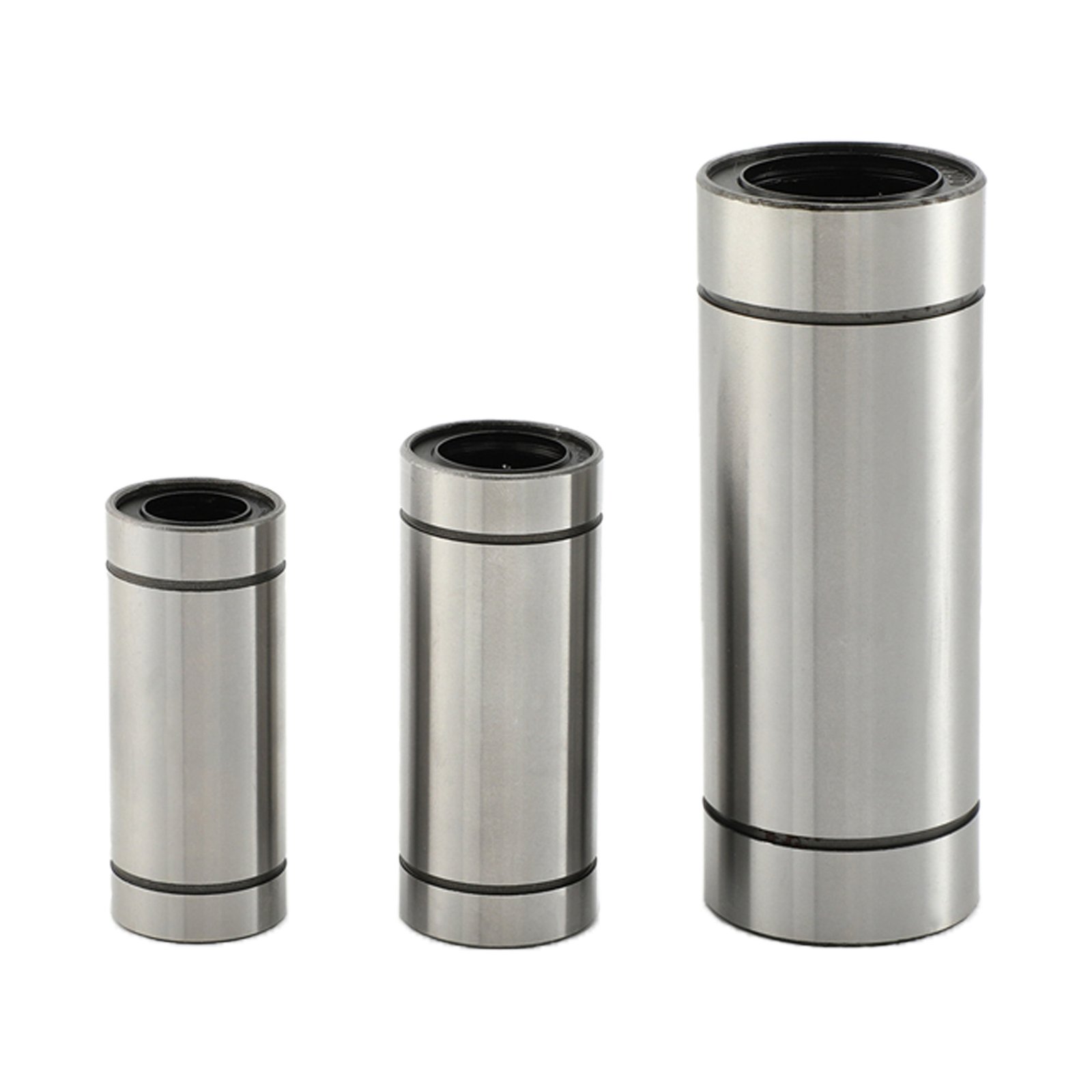
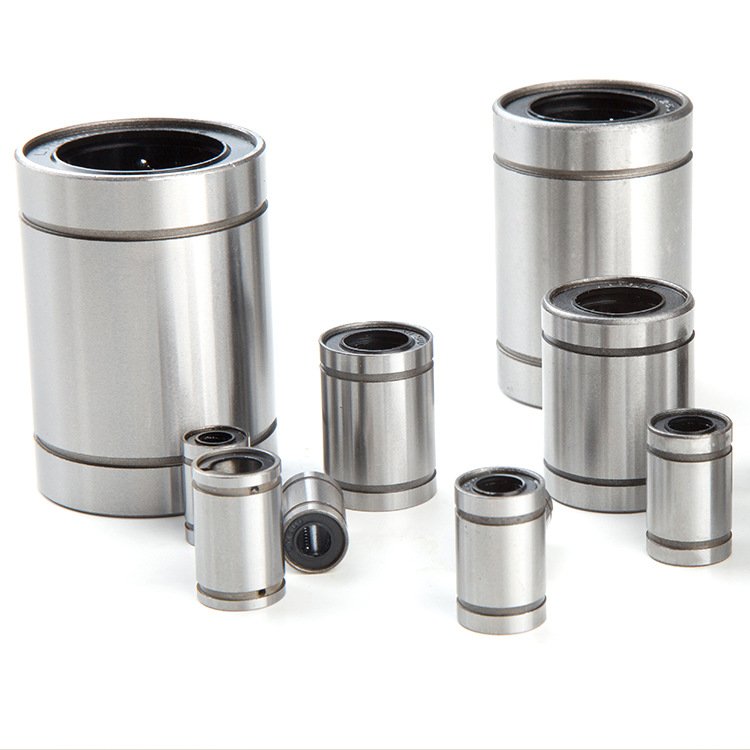
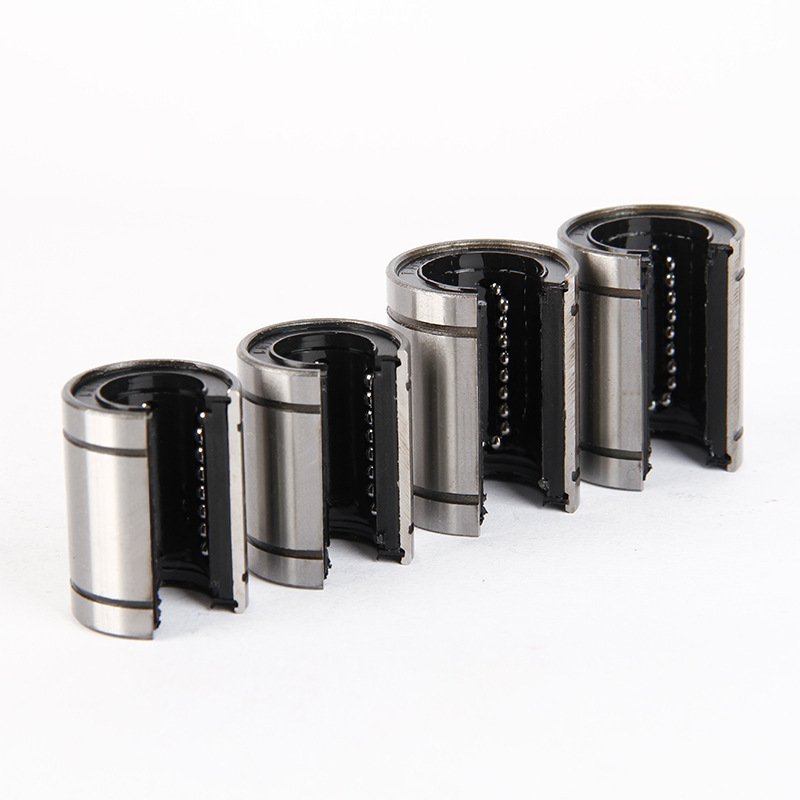
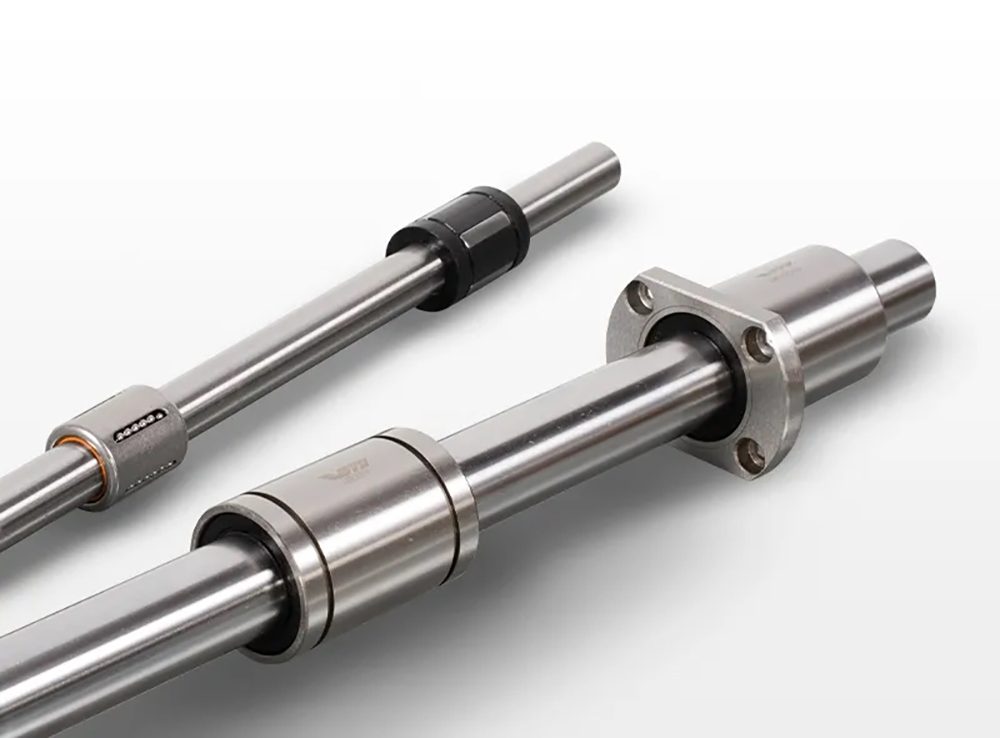
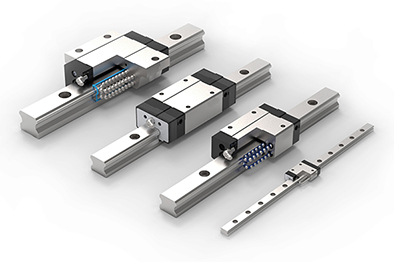
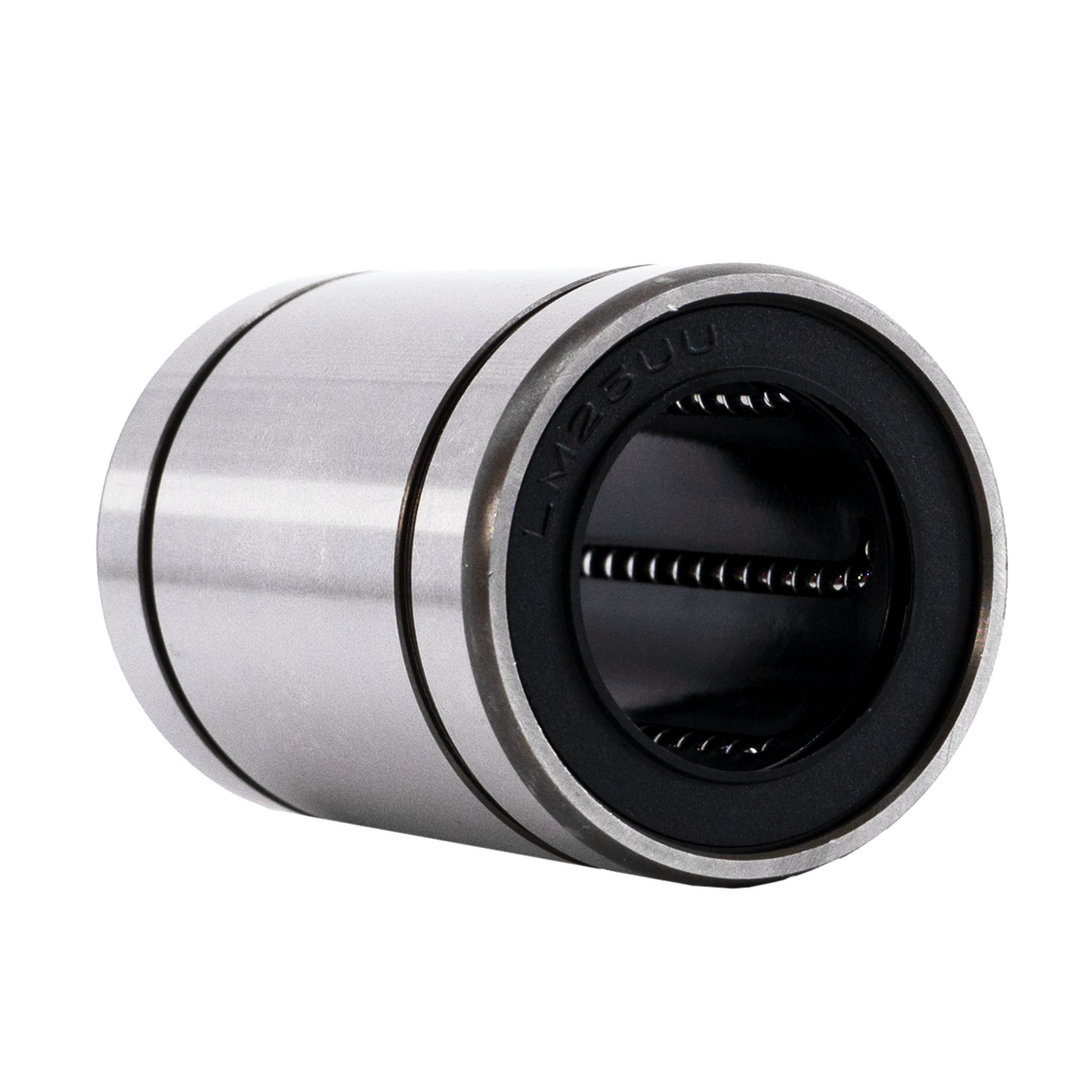
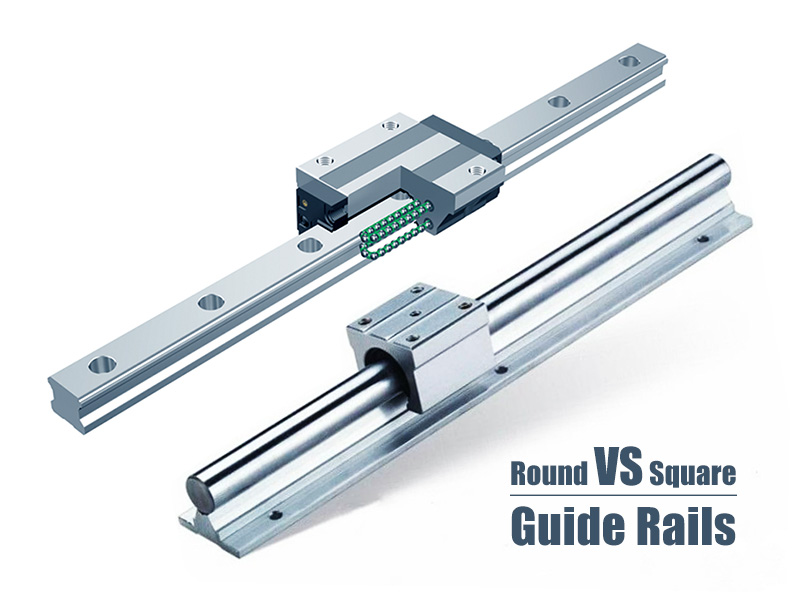
Linear bearings are designed to provide smooth, precise, and low-friction linear motion along a shaft or rail system. Compared with traditional sliding mechanisms, linear bearings significantly reduce friction, improve positioning accuracy, and extend equipment service life.
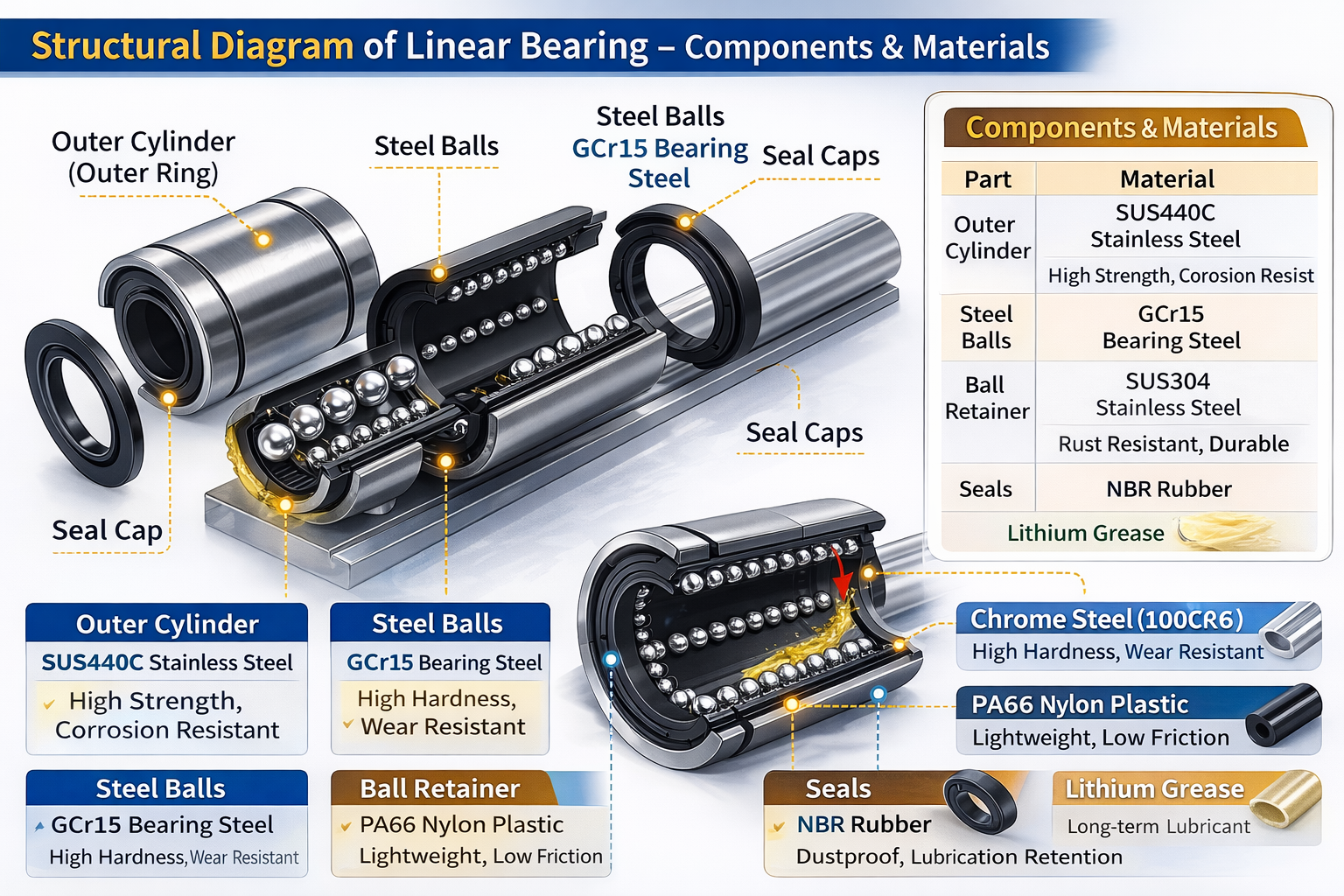
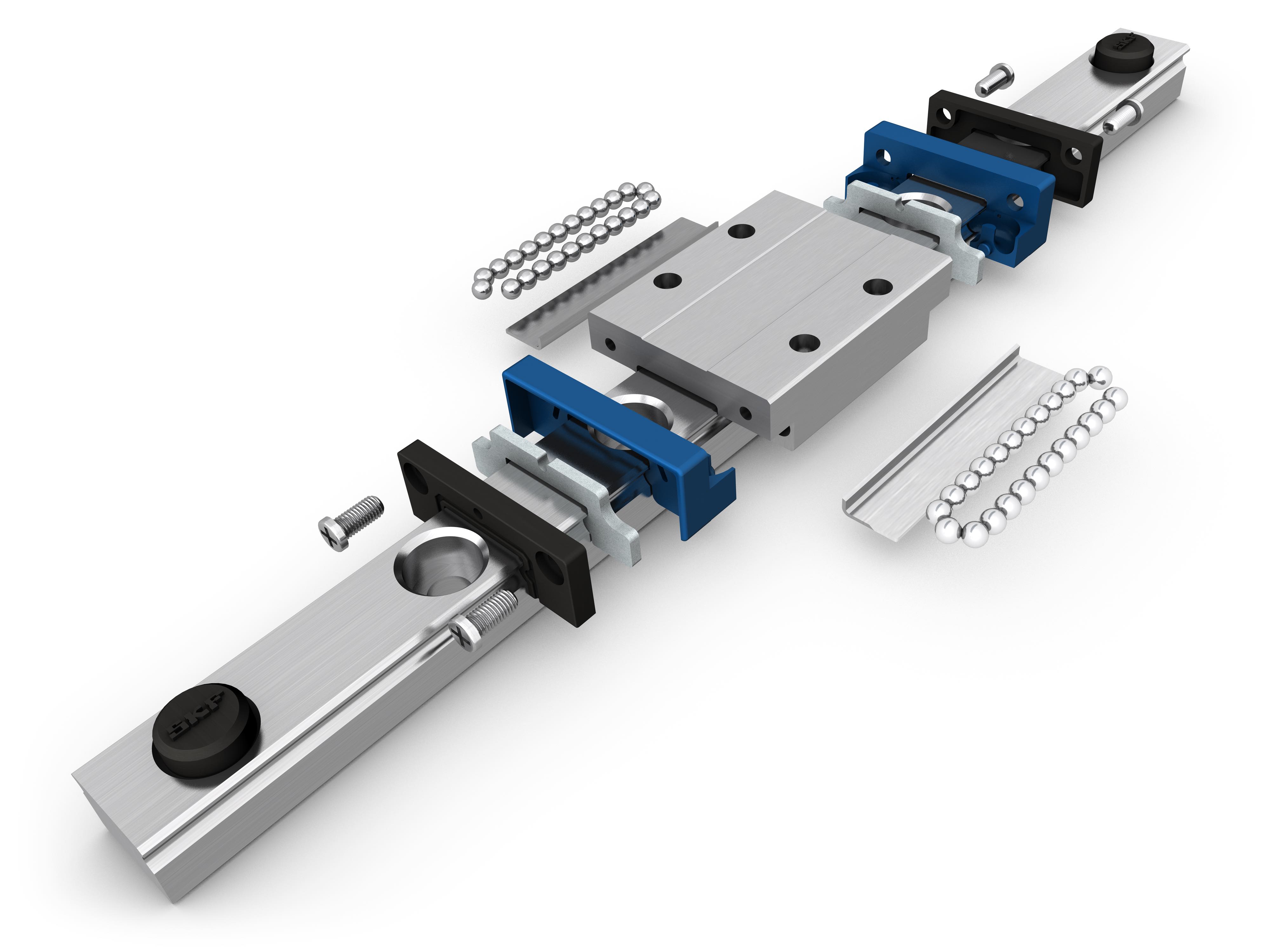
Linear bearings operate on a rolling contact principle using hardened steel balls circulating within raceways.
Performance Value:
Extremely low coefficient of friction (typically 0.001–0.005)
Minimal starting resistance
Smooth and continuous linear travel
Reduced motor load and energy consumption
Practical Impact: Improves motion stability in CNC systems, automation modules, and precision assembly lines.
The precision-ground raceways and controlled ball clearance ensure accurate linear guidance.
Performance Value:
Tight radial clearance control
Minimal positional deviation
High repeatability in reciprocating motion
Suitable for tolerance-sensitive applications
Typical Accuracy Range: ±0.01 mm to ±0.05 mm (depending on shaft quality and assembly precision)
Practical Impact: Essential for precision manufacturing equipment, robotics, and measuring systems.
Linear ball bearings are optimized primarily for radial load support, with limited axial load capability.
Performance Value:
High radial load-to-size ratio
Uniform load distribution across multiple rolling elements
Stable operation under dynamic conditions
Practical Impact: Reliable support in automated equipment, packaging systems, and light-to-medium duty industrial machinery.
Service life is influenced by material hardness, lubrication condition, load, and environmental factors.
Performance Value:
Hardened bearing steel (GCr15 / 100Cr6) with high wear resistance
Optimized ball circulation design
Consistent load distribution
Extended fatigue life under proper lubrication
Practical Impact: Reduced maintenance frequency and improved equipment uptime.
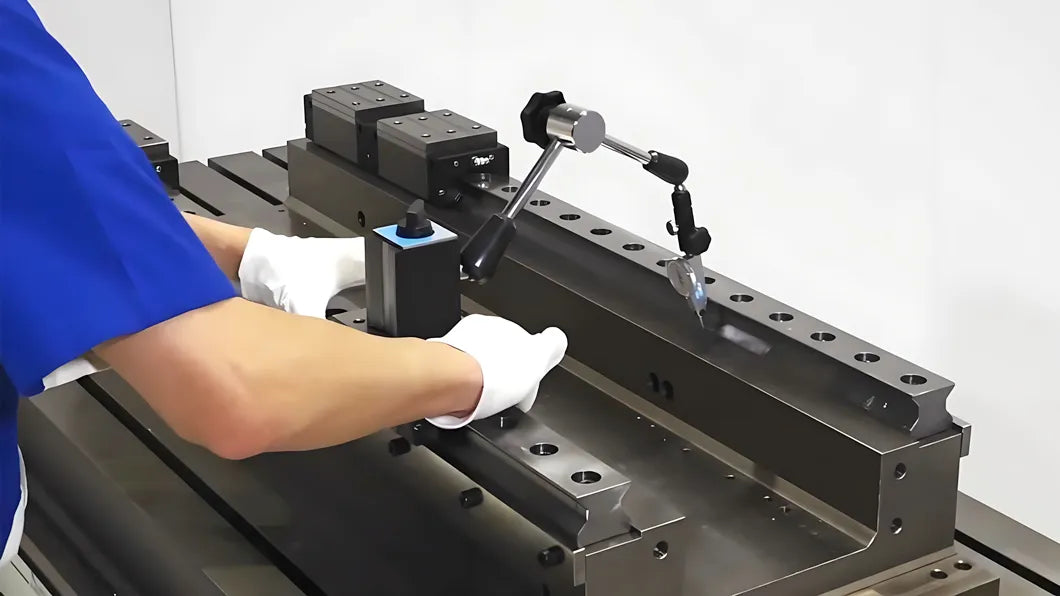
Axis movement systems
Tool positioning mechanisms
Worktable sliding systems
Automated assembly lines
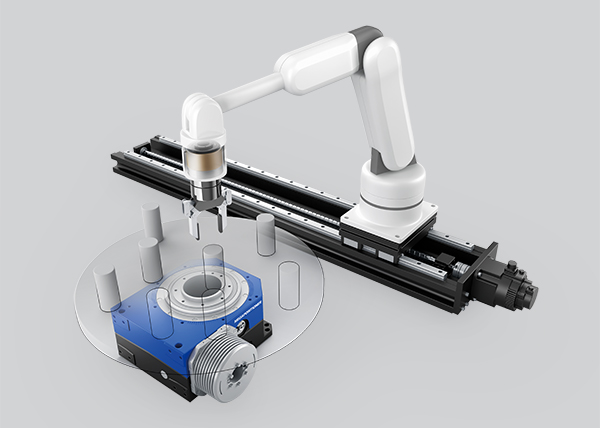
Robotic arms and linear actuators
Pick-and-place modules

Film feeding systems
Precision printing positioning
High-speed reciprocating movement modules
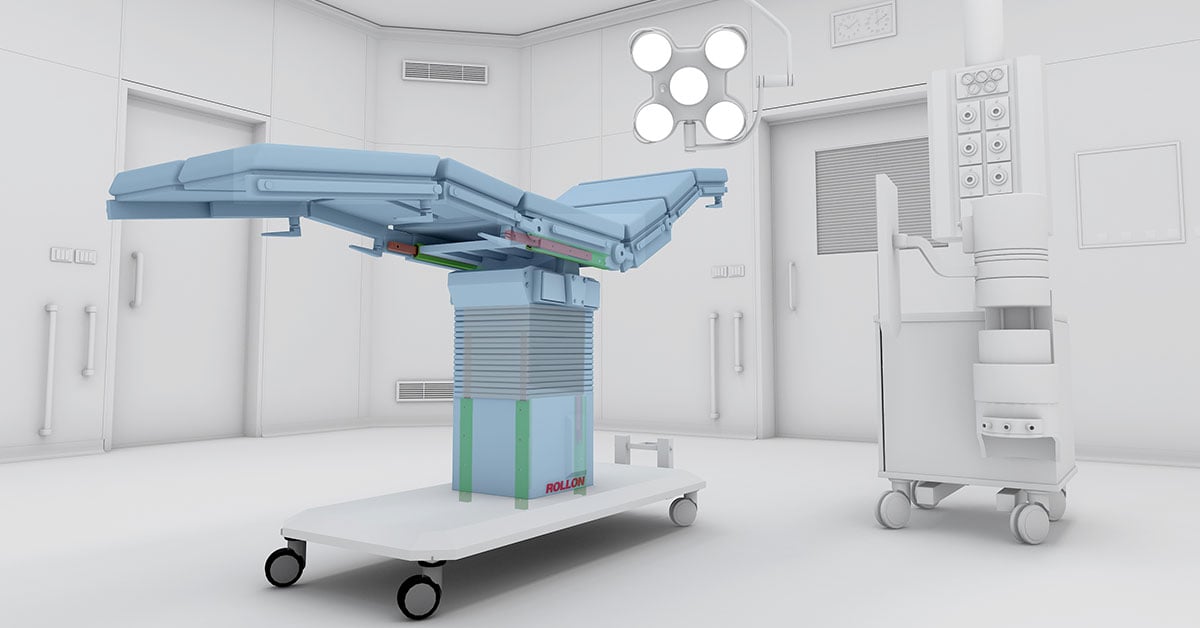
Diagnostic machines
Sample handling systems
Precision scanning devices
X/Y/Z axis motion systems
Desktop automation devices
Educational and prototype equipment


Hi, I am Maxwell, I am an engineer in the field of bearing applications. I majored in mechanical and electromechanical engineering during college. After graduation, I worked for the top three "SKF" bearing companies in the world for ten years , during which I went to dozens of customers in different industries to help them solve problems in bearing applications; later I joined VKUKEN Bearing Manufacturing, and I will share bearing technical knowledge on this website from time to time. If you are a customer Please contact me to help you solve your problem; if you are also a technical expert in bearings, I am very willing to exchange technical knowledge about bearings with you.



 Optimized by Seraphinite Accelerator