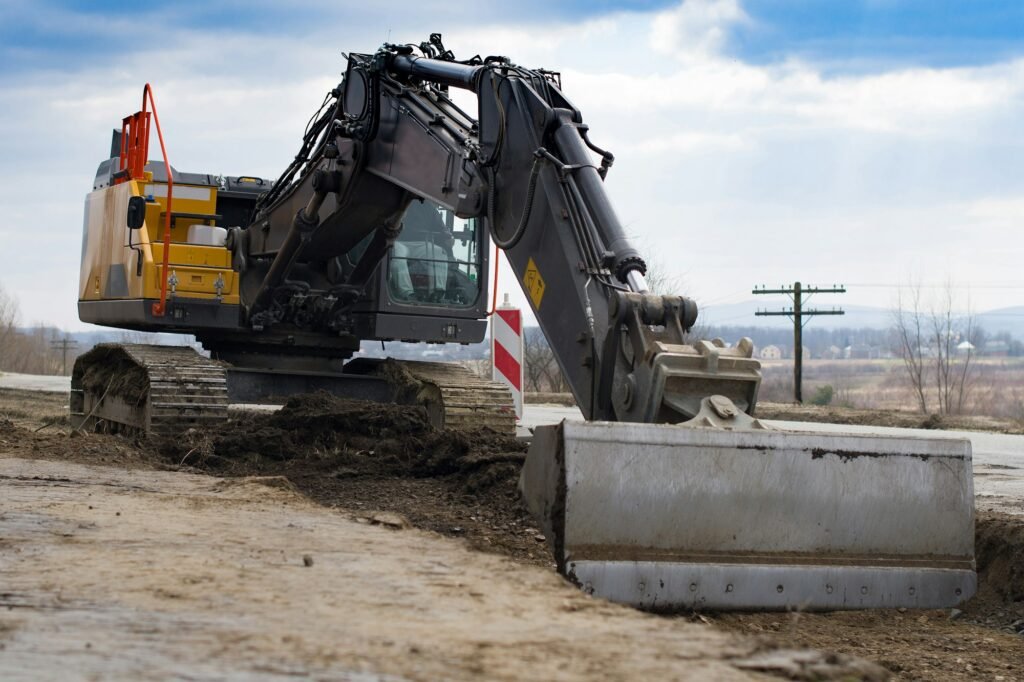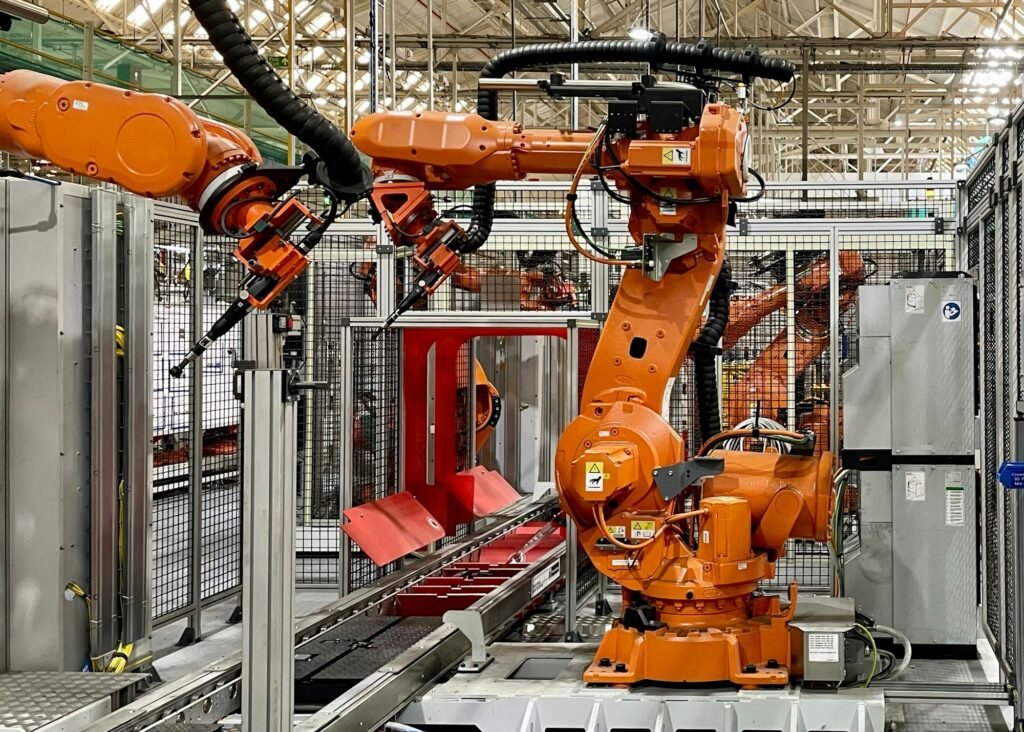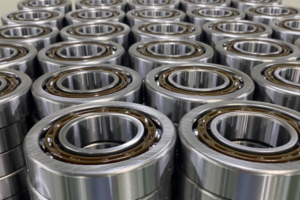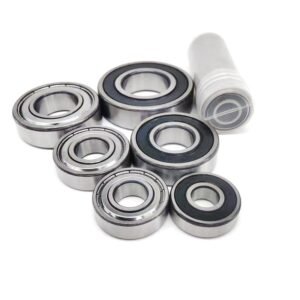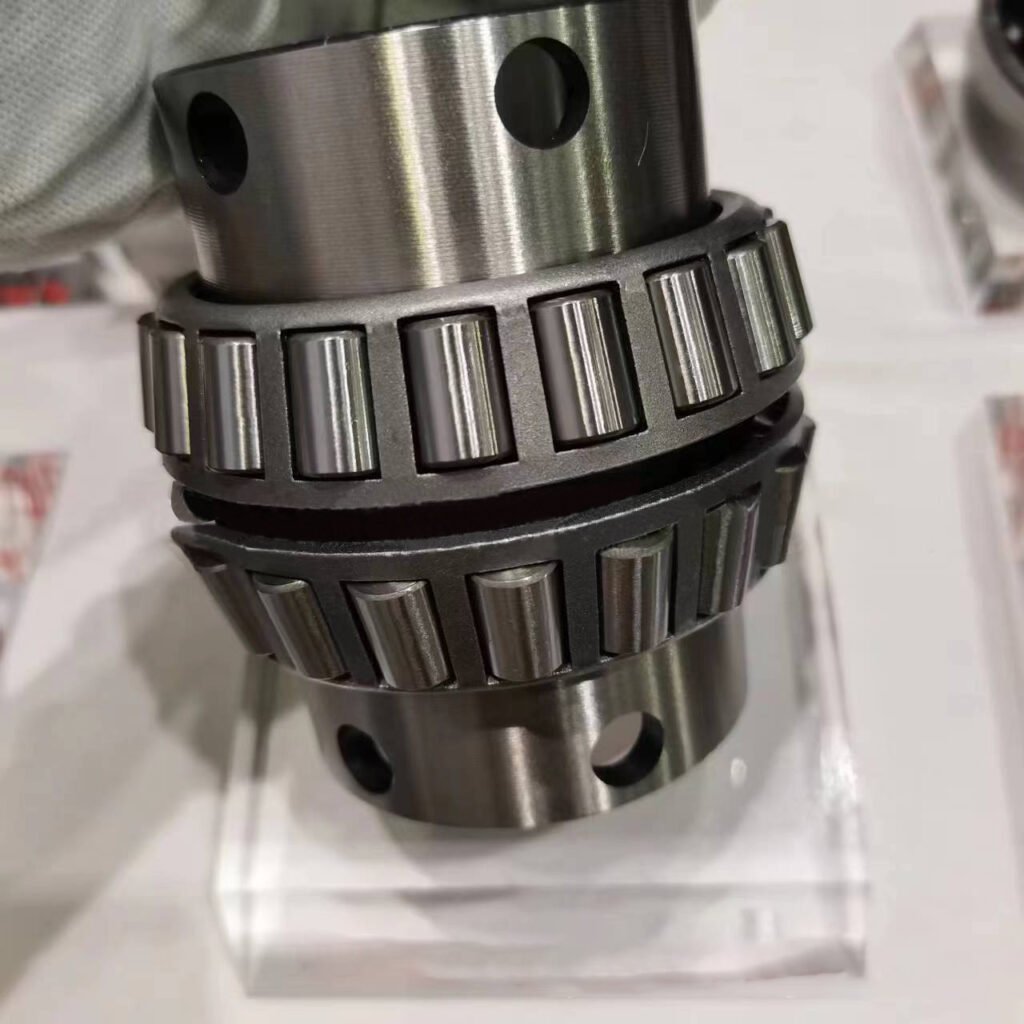

In modern logistics systems, transmission equipment—such as conveyors, sorters, rollers, and AGVs—forms the operational backbone. As a bearing application engineer, I’ve encountered numerous cases where improper bearing selection or neglect in maintenance led to unexpected downtimes, equipment inefficiency, and increased operating costs. This guide will help you, whether you’re an equipment operator or a bearing distributor, understand how to select and maintain bearings properly for logistics transmission systems.

1. Understand the Equipment and Application Environment
Each piece of logistics equipment has a different duty cycle, load demand, and speed requirement. Start with a full understanding of:
- Equipment type: Conveyor belts, cross-belt sorters, telescopic conveyors, AGVs, etc.
- Operating conditions: Continuous or intermittent motion, indoor/outdoor use, exposure to dust, humidity, or temperature fluctuations.
- Load and speed: Radial and axial forces, rotations per minute (RPM), and vibration levels.
This information is foundational to choosing the right bearing type and design.
2. Bearing Selection Guide for Logistics Equipment
Common Bearings Used:
| Equipment Type | Typical Bearings Used |
| Conveyor Rollers | Deep Groove Ball Bearings |
| Belt Conveyors | Spherical Roller Bearings |
| Sorters | Angular Contact Ball Bearings |
| AGVs | Precision Ball Bearings, Hub Units |
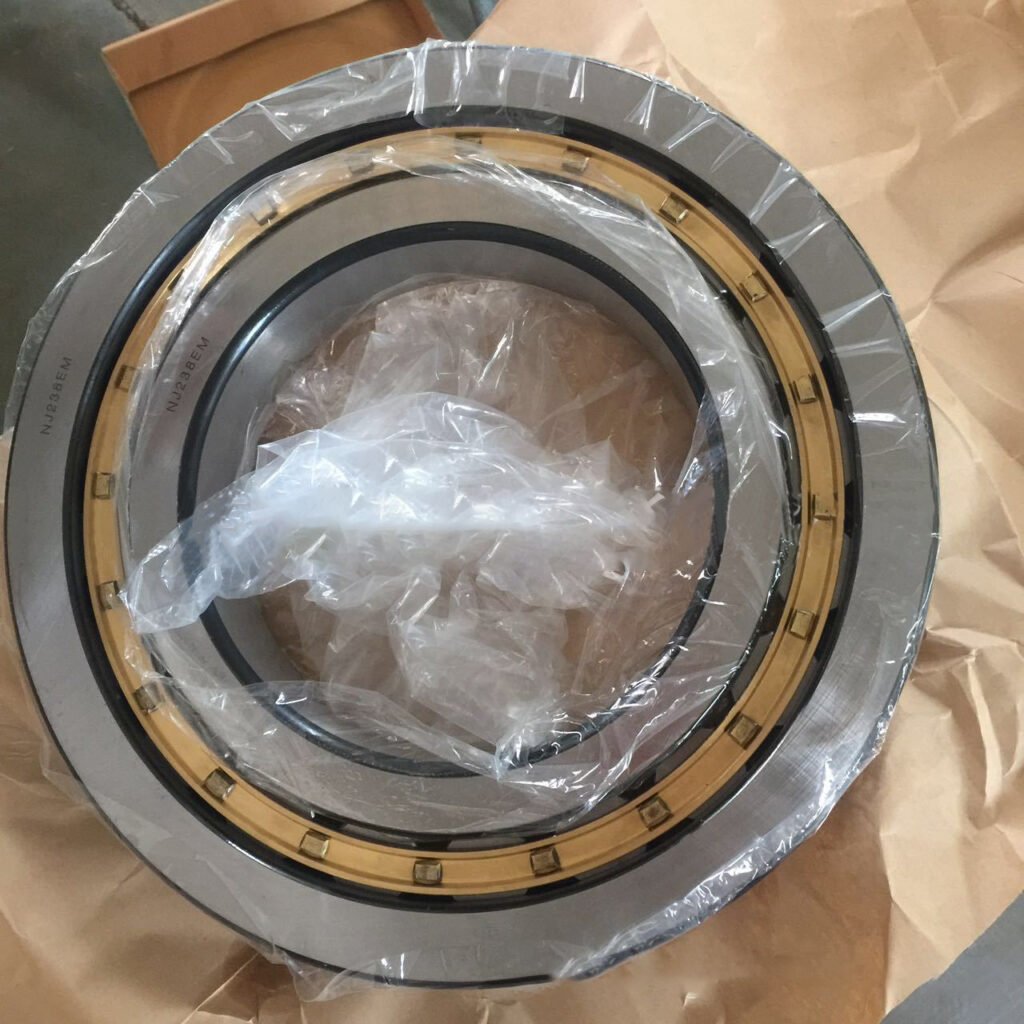
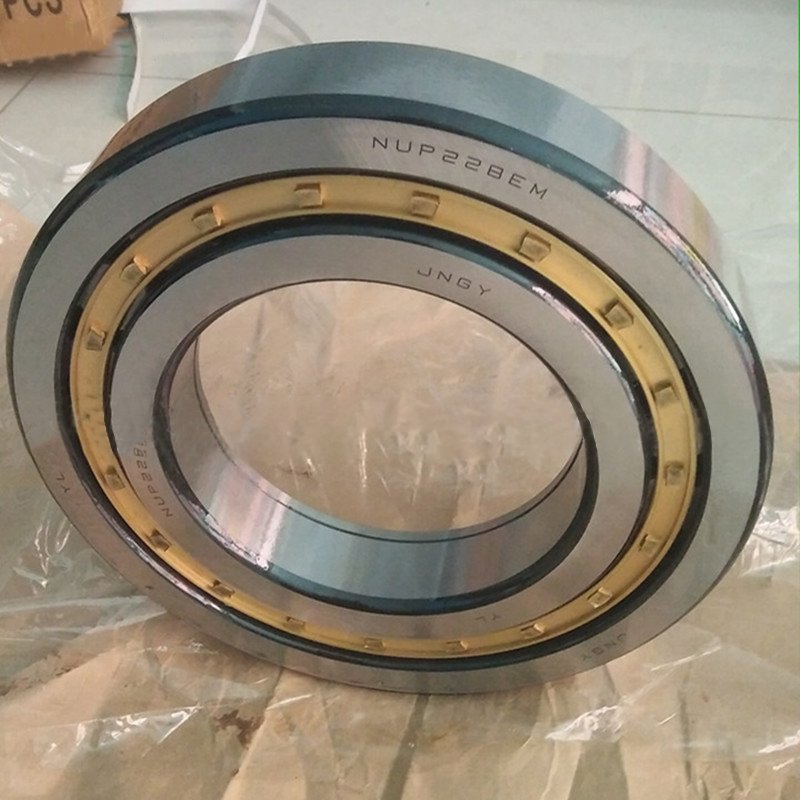
| Telescopic Conveyors | Cylindrical Roller Bearings |
Selection Considerations:
- Load Type and Distribution: Select bearings capable of handling both radial and axial loads where applicable.
- Speed Requirements: Bearings must be rated for the desired RPM range.
- Sealing and Lubrication: In dusty or moist environments, opt for double-sealed bearings or those with integrated lubrication.
- Mounting Space and Ease of Installation: Compact bearings or integrated units may reduce space and simplify maintenance.
- Noise and Energy Efficiency: For high-speed or human-interactive logistics lines, low-noise and low-friction bearings are preferred.
3. Failure Modes to Watch Out For
From years of failure analysis, I’ve observed the following common causes of premature bearing failure in logistics applications:
- Contamination: Dust and debris infiltration causes abrasion and pitting.
- Inadequate Lubrication: Overheating or dry running reduces service life.
- Misalignment: Improper installation leads to uneven load distribution.
- Excessive Vibration or Shock Loads: Poor damping results in raceway damage.
- Overloading: Bearings undersized for the job deform or crack under stress.
Understanding these risks allows you to prevent costly downtime.
4. Maintenance Best Practices
Routine Inspection Points:
- Noise and Vibration Monitoring: Early indicators of wear or misalignment.
- Temperature Checks: Unusual temperature rise signals lubrication issues.
- Visual Inspection: Look for discoloration, leaks, and surface damage.
Lubrication Strategy:
- Use the correct grease specified for speed, temperature, and load.
- Follow a scheduled re-lubrication interval, and avoid over-lubricating.
- In high-speed systems, automatic lubrication devices can maintain consistency.
Replacement Guidelines:
- Plan bearing replacements based on predicted life cycles, not just failure.
- Keep a stock of commonly replaced bearing types to avoid supply delays.
- Always use high-quality, certified bearings with traceable specifications.
5. Tips for Bearing Wholesalers and Distributors
If you serve customers in the logistics equipment industry, consider the following:
- Stock bearings that match popular logistics conveyor brands and AGVs.
- Provide value-added services like bearing matching, custom lubrication, or pre-mounted units.
- Educate your customers about bearing types, failure signs, and maintenance.
- Offer engineering support to help OEMs and users make optimal selections.
Conclusion
Selecting the right bearing and maintaining it properly is essential for logistics transmission equipment to operate reliably and efficiently. As a bearing application engineer, my goal is to bridge the gap between product capability and field application. With proper selection, installation, and care, bearings will not only improve operational uptime but also reduce long-term maintenance costs.
If you’re a distributor or end user looking to upgrade your bearing sourcing or support, I welcome the opportunity to help you evaluate your current solutions and find optimal alternatives tailored to your equipment’s needs.