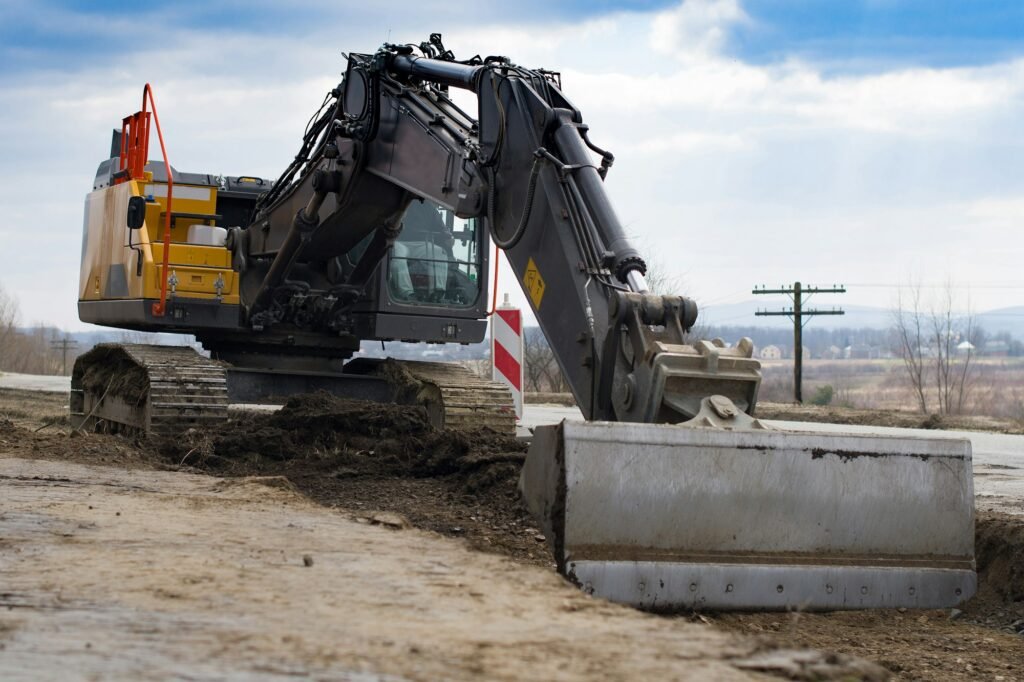


As a bearing application engineer with years of experience in the construction machinery sector, I’ve had countless conversations with excavator operators, repair technicians, and bearing distributors who struggle to select the right bearing for their equipment. Excavator bearings operate under extreme conditions—heavy load, shock, contamination, and vibration—which means selecting the correct bearing is not just about dimensions; it’s about application fit, material performance, and durability.
In this article, I’ll walk you through the key considerations and professional insights necessary to correctly match bearings for excavators—whether you are an end user replacing worn-out parts or a bearing wholesaler selecting the right inventory for your customers.

1. Understand the Excavator Structure and Key Bearing Applications
Excavators utilize a variety of bearing types, each serving different functional roles. The most common bearing application points include:
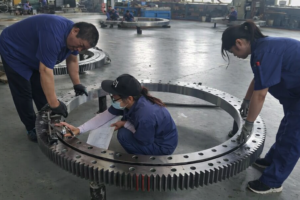
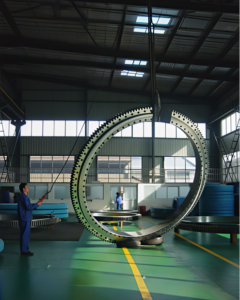
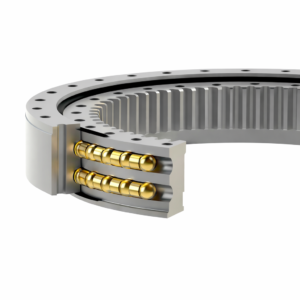
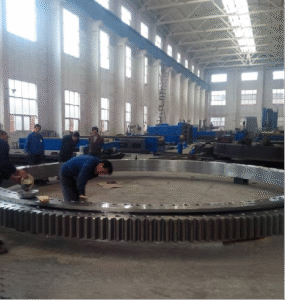
- Slew Bearing (Swing Bearing): Supports the rotation of the upper structure. It’s a large-diameter slewing ring that endures both axial and radial loads.
- Travel Motor Bearings: Found inside the travel reducer; these bearings must withstand heavy radial loads and high torque.
- Swing Motor Bearings: Used in the swing reducer; they operate under cyclic load and vibration.
- Arm/Stick Bearings & Bucket Bearings: These are high-impact joints that use bushings or needle roller bearings with high wear resistance.
- Hydraulic Pump Bearings: Precision ball bearings that must endure high-speed rotation and pressure pulsation.
Knowing where a bearing is located and the stress it endures is the first step to proper selection.
2. Key Parameters for Excavator Bearing Selection
When matching a bearing for an excavator, I always focus on these core parameters:
a. Load Conditions
Excavators generate high axial and radial loads, especially in swing and travel motors. Choosing a bearing with proper load capacity and a suitable internal design (e.g., reinforced cages or rollers) is critical.
b. Bearing Material & Heat Treatment
Heavy-duty excavator bearings should use high-grade alloy steel (e.g., GCr15 or 42CrMo) with through-hardening or induction hardening. Heat treatment quality directly affects fatigue life and resistance to cracking.
c. Sealing Performance
Bearings used in excavators face a harsh working environment—dust, mud, and water ingress are common. I recommend selecting bearings with integrated seals or custom sealing solutions (like triple-lip seals) for long-term protection.
d. Lubrication Requirements
Excavator bearings require proper lubrication to function reliably. Bearings should allow for either grease or oil lubrication. Consider the working temperature and maintenance accessibility when deciding on lubrication options.
e. Dimensional Accuracy and Clearance
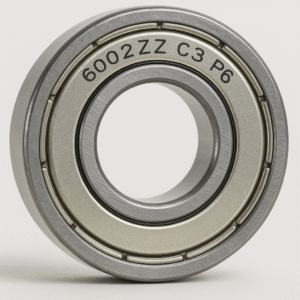
Tight tolerances and correct internal clearances (such as C3 or C4 for high-temperature or high-load applications) are essential. In swing or travel motors, incorrect clearance can lead to vibration, noise, or premature failure.
3. Common Bearing Types Used in Excavators
Here’s a quick breakdown of typical bearing types I recommend or frequently encounter in excavator assemblies:
| Location | Bearing Type | Features |
| Swing device (slew) | Slewing ring bearing | Large diameter, axial & radial load support |
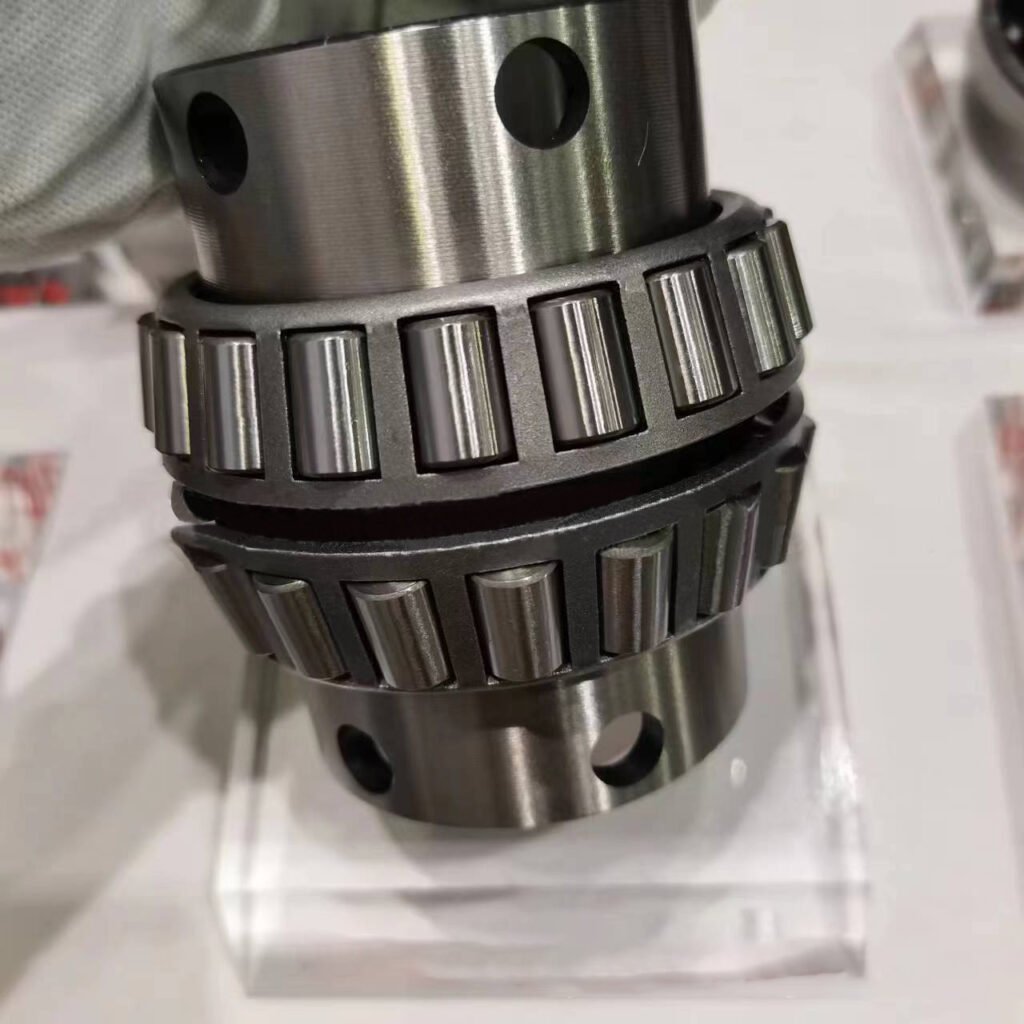
| Travel/swing motor | Tapered roller bearings, deep groove ball bearings | High load & shock resistance |
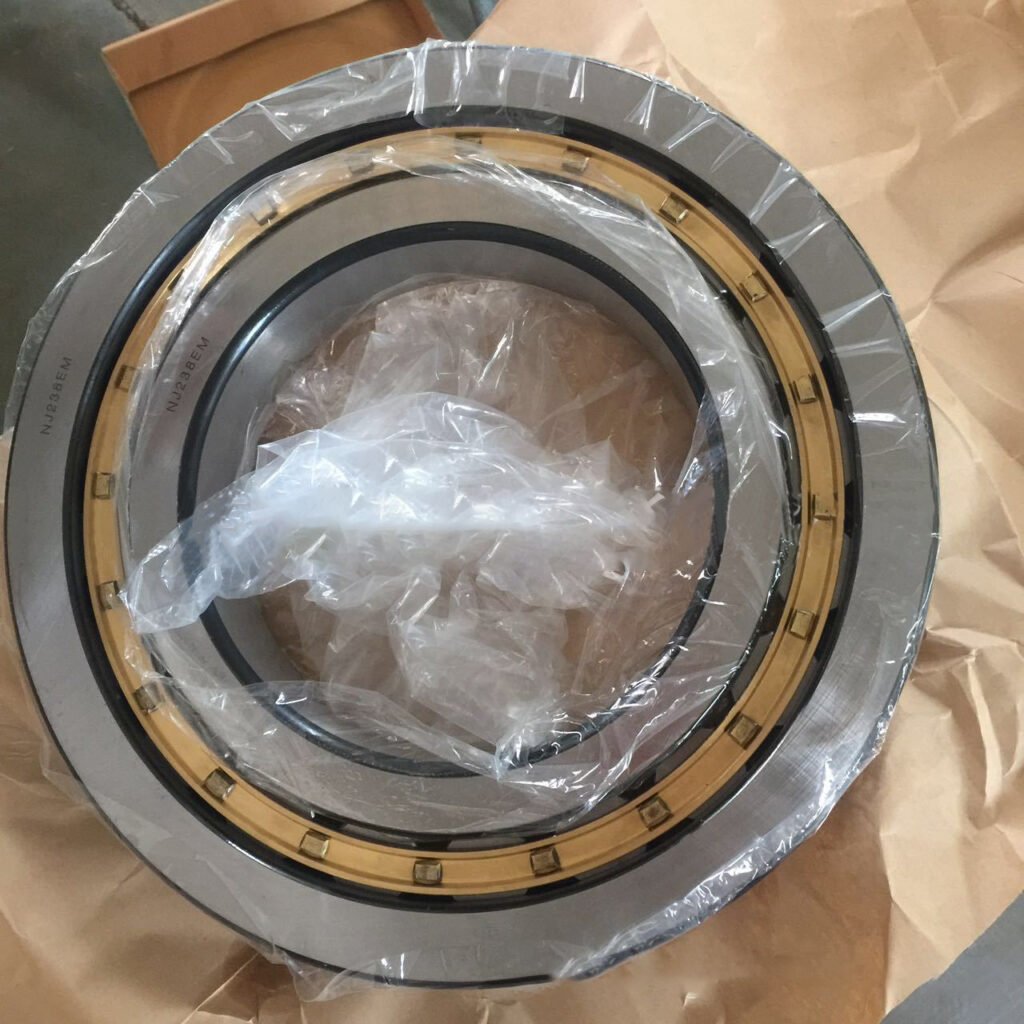
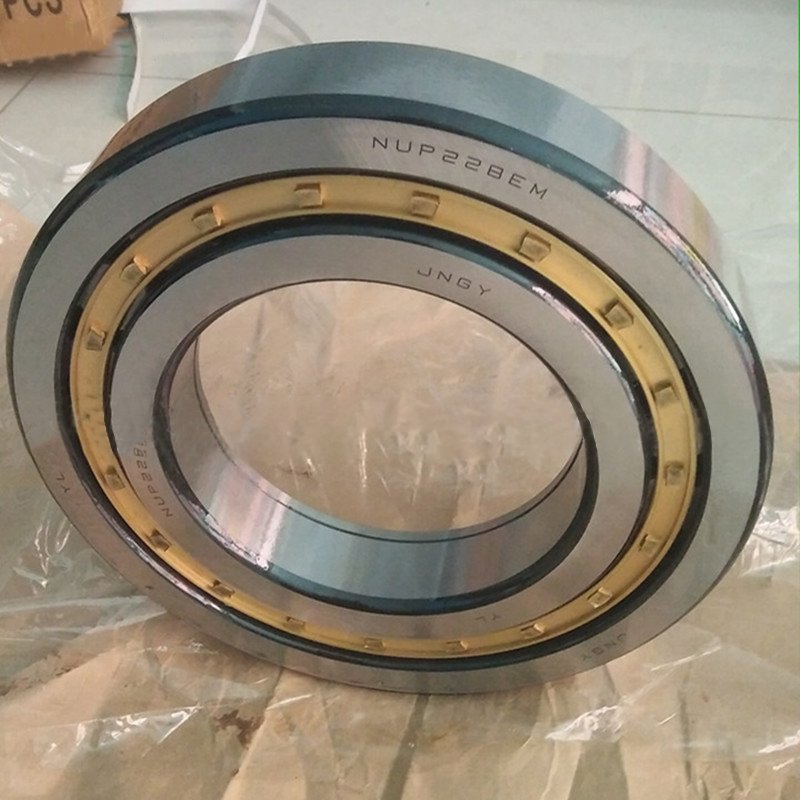
| Final drive gearboxes | Cylindrical roller bearings | High radial load support |
| Hydraulic pump | Angular contact ball bearings | High-speed, high-pressure conditions |
| Arm/pin joints | Needle bearings or bushings | Wear resistance, impact absorption |
4. Failure Cases and Lessons Learned
Let me share a common failure case I often see in the field:
A client once used a low-cost deep groove ball bearing in the swing motor of a 20-ton excavator. Within three months, the bearing showed signs of overheating, pitting, and cage distortion. Upon inspection, we found the bearing was not rated for the combined radial and axial loads the application demanded.
Lesson: Always match bearing types to real application loads and conditions, not just size and fit.
5. How Distributors and Wholesalers Can Choose the Right Stock
If you’re a distributor, here’s what I recommend to ensure you carry the right excavator bearings:
- Know the OEM Reference Numbers: Many buyers will request parts using OEM part codes. Ensure you can cross-reference OEM numbers with aftermarket equivalents.
- Stock Popular Models: Bearings for Komatsu, Hitachi, Caterpillar, Volvo, and Doosan machines are in high demand. Prioritize common swing and travel motor sizes.
- Educate Your Sales Team: Your team should understand the difference between standard and reinforced bearings to advise customers effectively.
- Work with Verified Manufacturers: Choose suppliers with proven heat treatment capabilities, in-house metallurgical labs, and strict QC processes.
6. Final Advice – My Bearing Matching Checklist
Before finalizing a bearing selection for an excavator, I always verify:
✅ Is the bearing type suitable for the specific application?
✅ Does the load rating match the actual operating conditions?
✅ Is the material and heat treatment qualified for long-term use?
✅ Are seals and lubrication suitable for the working environment?
✅ Is the internal clearance and precision level appropriate?
Getting these right dramatically reduces downtime and maintenance costs.
Conclusion
Excavator bearings are not generic products—they are engineered components designed to endure punishing environments. Matching the right bearing means understanding the machine’s function, load demands, and operating conditions.
If you’re unsure about a bearing selection, work closely with an application engineer or a trusted manufacturer. With proper guidance, you’ll avoid costly downtime, reduce warranty claims, and deliver better performance to your end users.
If you’d like personalized assistance on excavator bearing selection or need sourcing recommendations, feel free to reach out—I’m always happy to help.