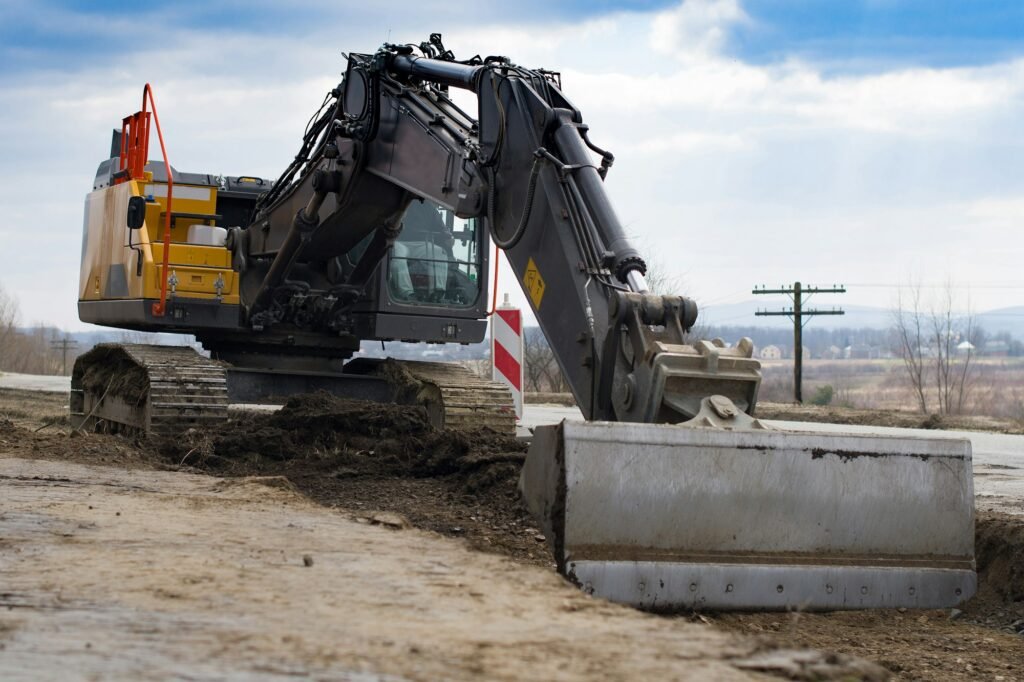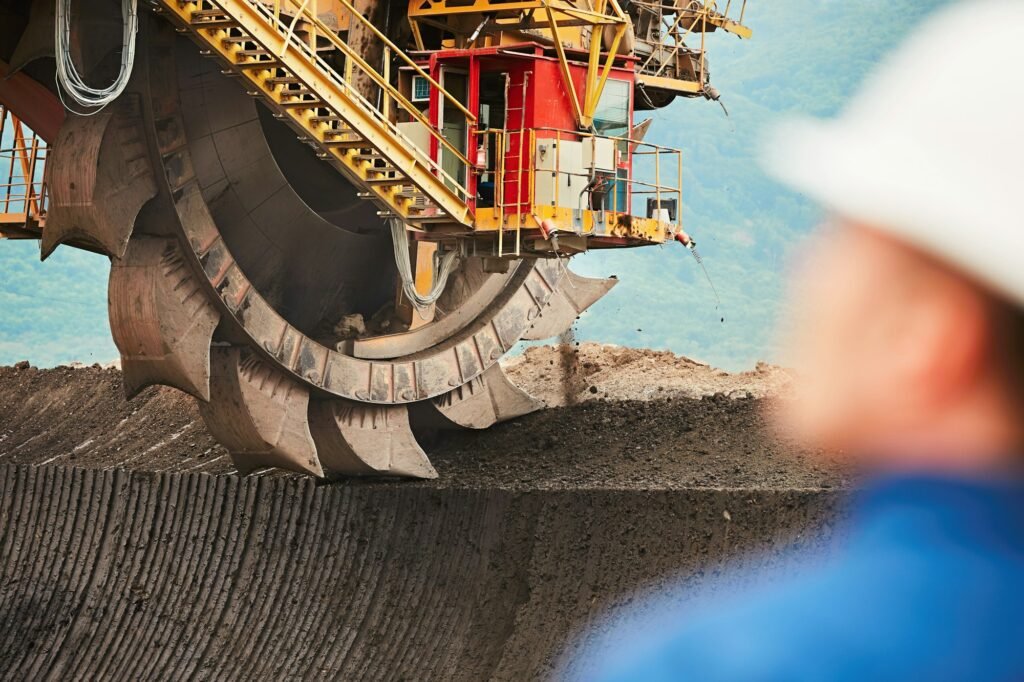

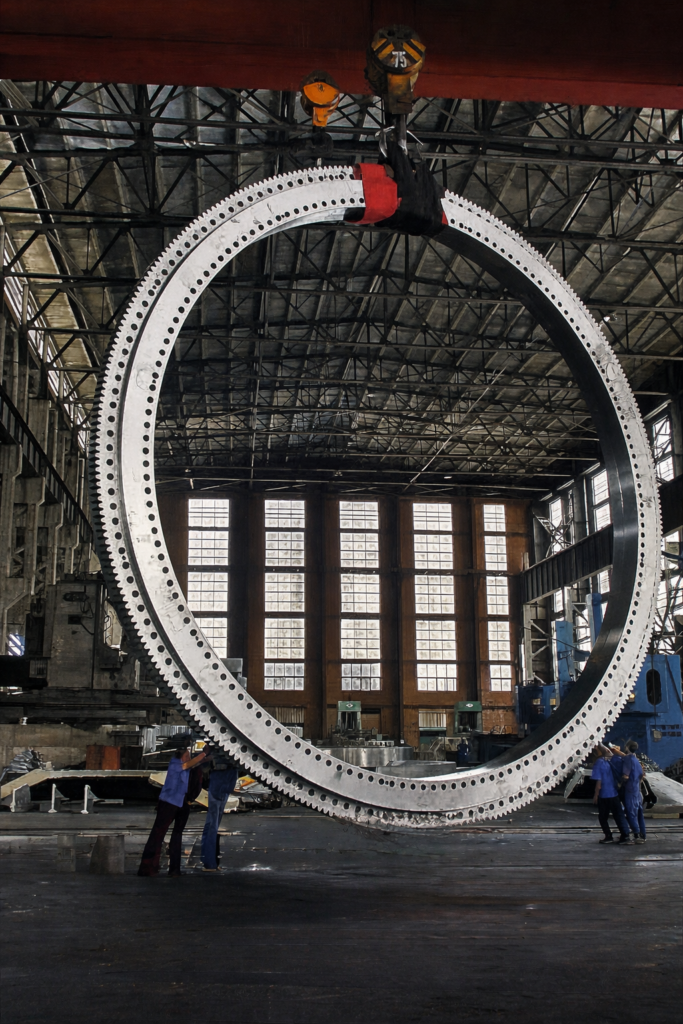
In modern industry, the applications of oversized bearings are countless. Examples include: crane bearings, bucket wheel excavator bearings, large steel ladle bearings, dock crane bearings, blow molding machine bearings, blow molding machine bearings, filling machine bearings, and marine propeller bearings, among others. Bearing diameters range from 300mm to 14m, and weights range from hundreds of kilograms to hundreds of tons. So, as a manufacturer of precision slewing bearings and specialized bearings, how do we solve the export transportation problem of these massive items? You must have this concern. Let us reveal the solution.
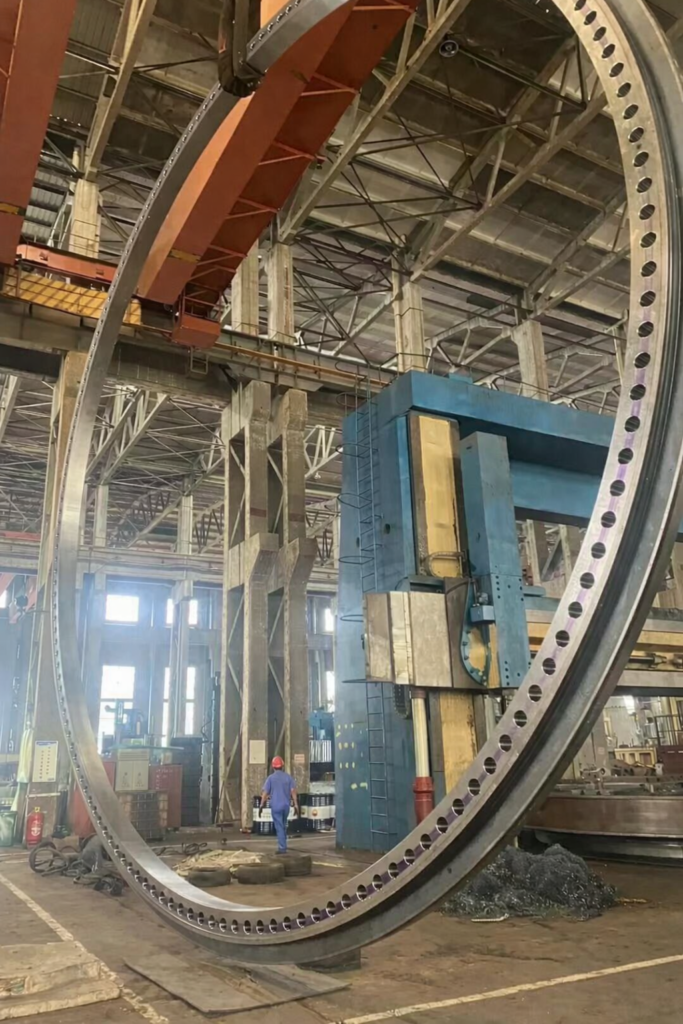
First, let’s look at standard ocean containers. A 40HQ container has an effective loading size of approximately 2.3 m (W) × 12 m (L) × 2.7 m (H).
Depending on the bearing diameter, we use various packaging and transportation methods: Bearings with a diameter of less than 2.3m are packaged and loaded into containers normally. They can be placed flat within a steel frame fitted with a wooden crate, or they can be fixed upright with an iron frame.
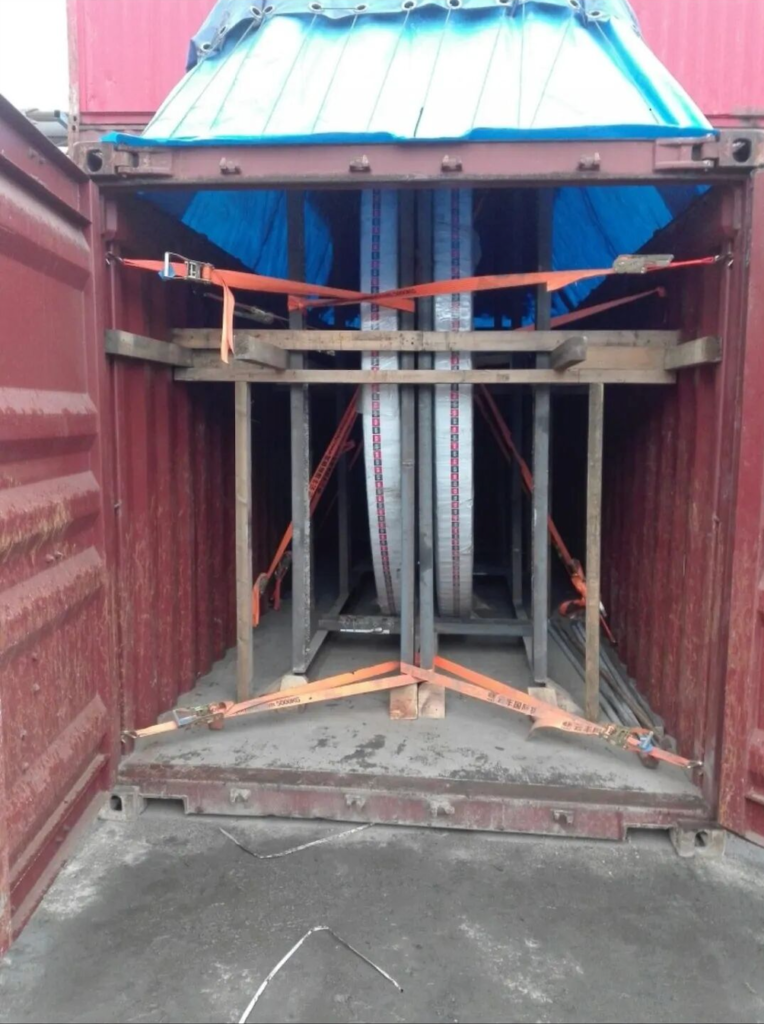
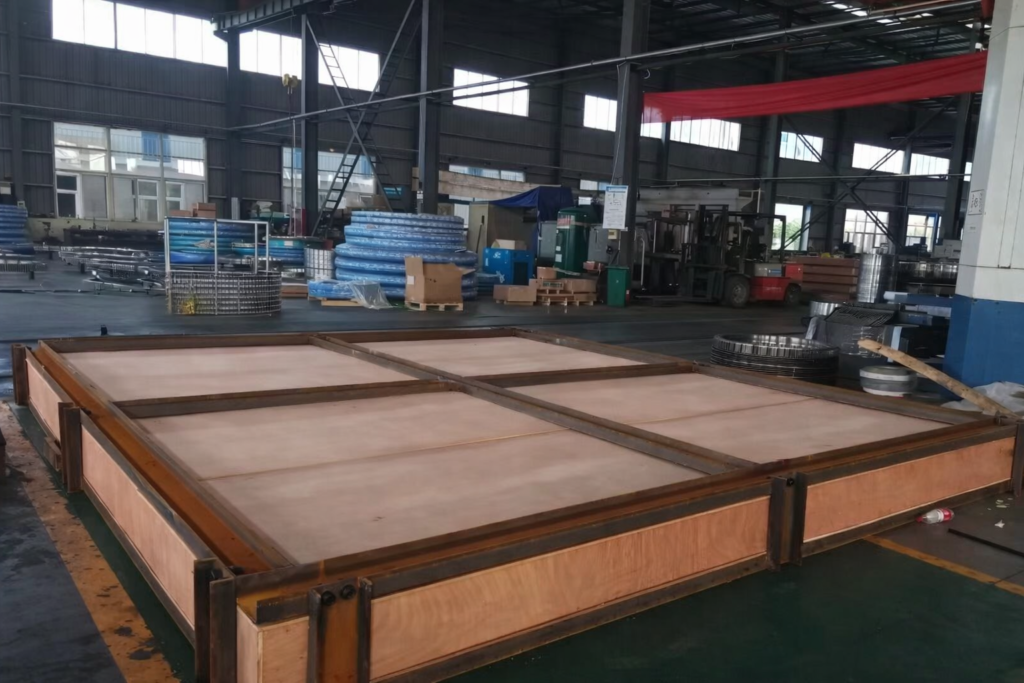
Bearings with diameters of 2.3m to 2.7m are placed at an angle using steel tripods.
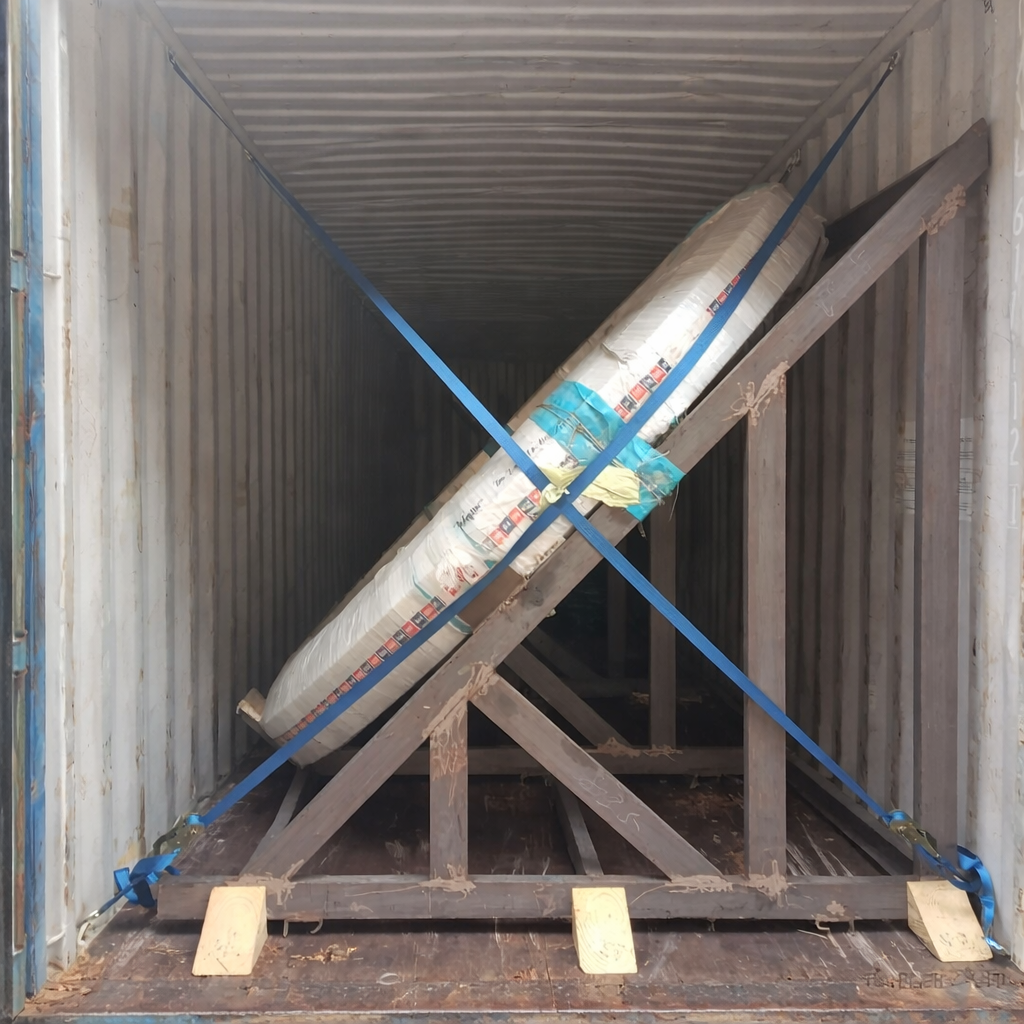
Bearings with a diameter of 2.8m are placed using steel frames.
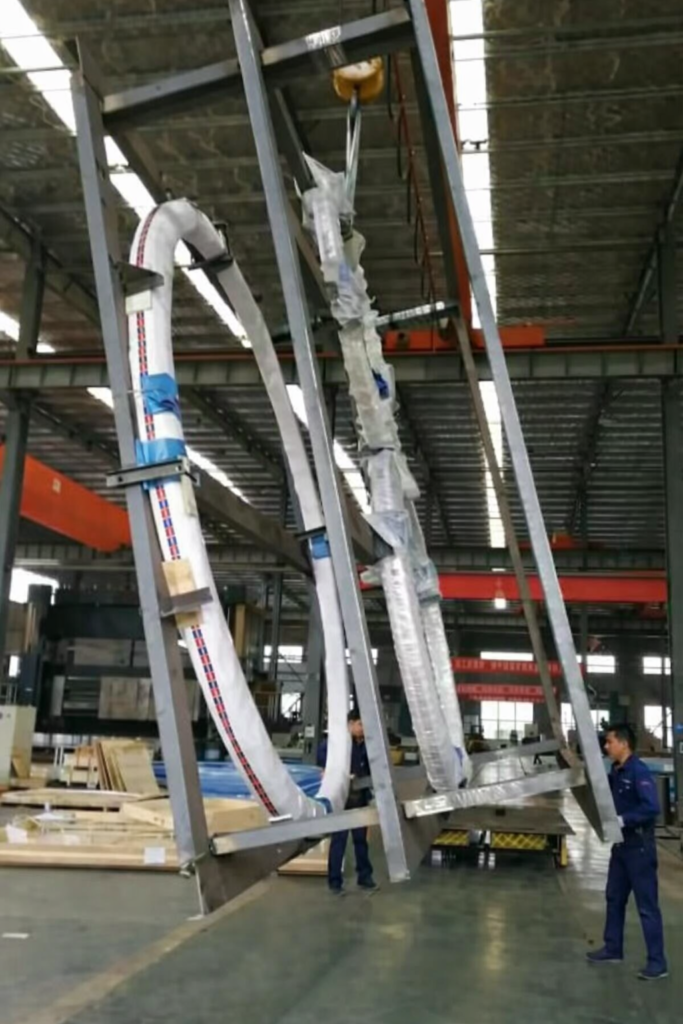
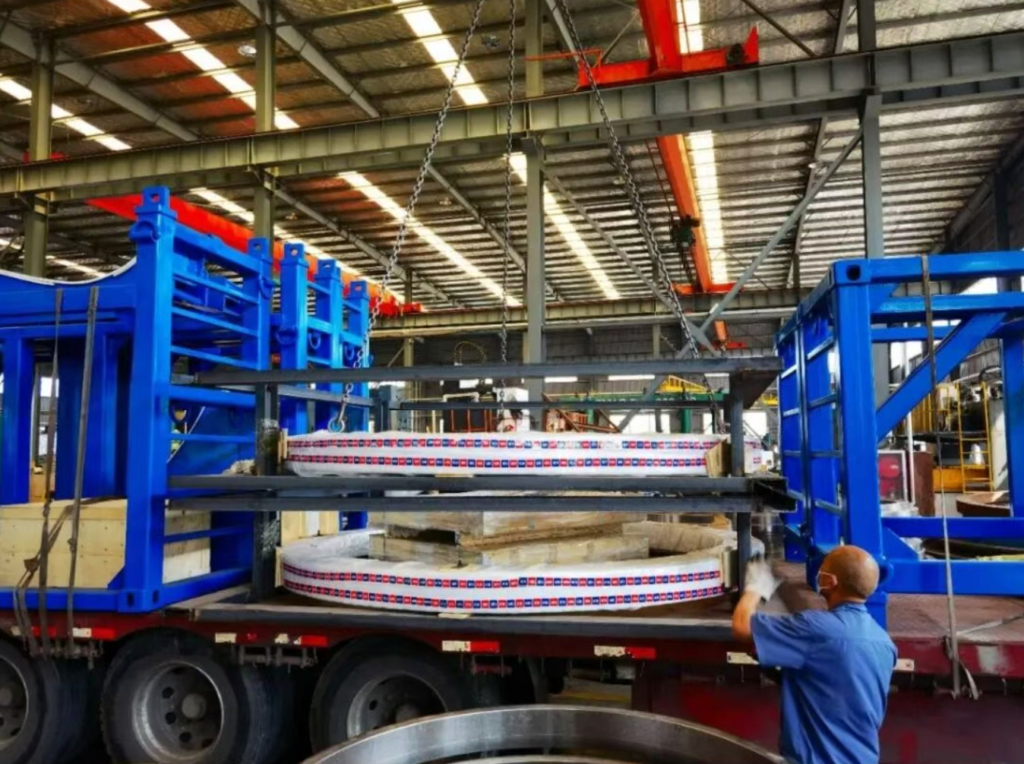
Of course, bearings with diameters exceeding 4m require reinforced packaging during stacking, with additional supports to elevate them. They are then placed horizontally, occupying three compartments in the frame box.
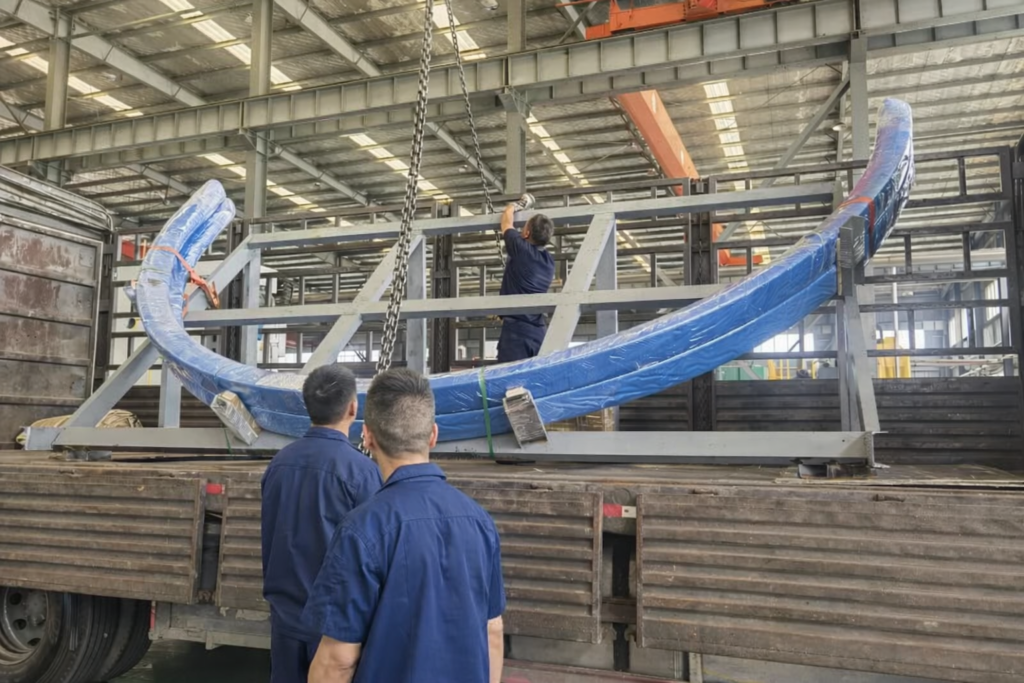
So how are ultra-large and ultra-heavy slewing bearings with diameters exceeding 10m transported? Exporting large bearings typically involves the coordination of hoisting, land transportation, and sea freight. This transportation route needs to be designed and conditions created. This requires meeting several conditions: The factory has sufficient space to allow ultra-large trucks to enter.
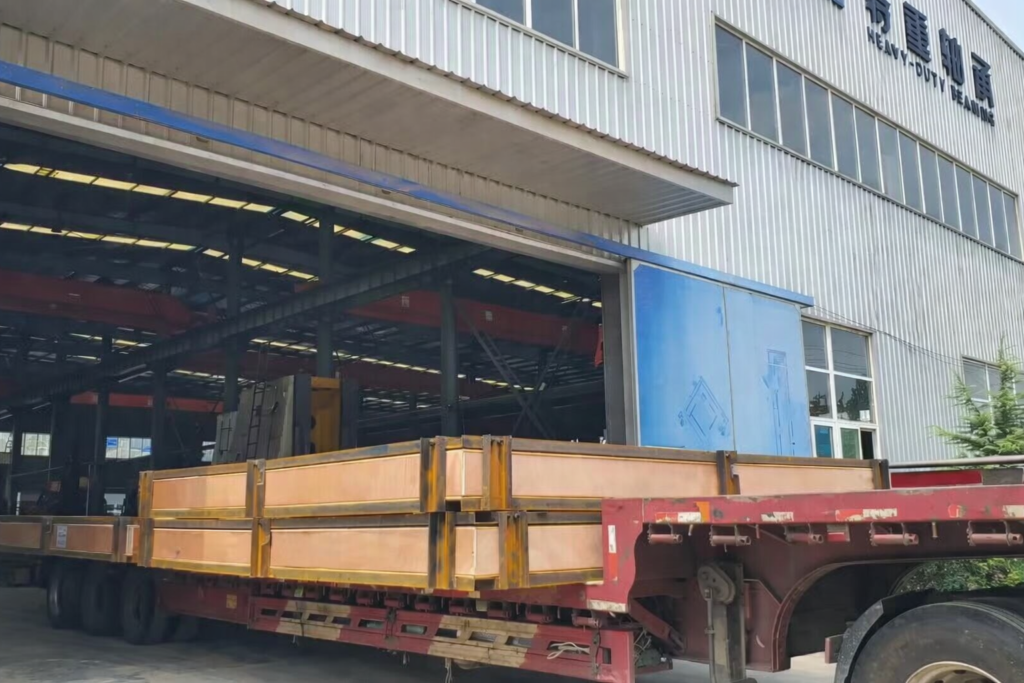
It is equipped with overhead cranes with a capacity of 250 tons or more.
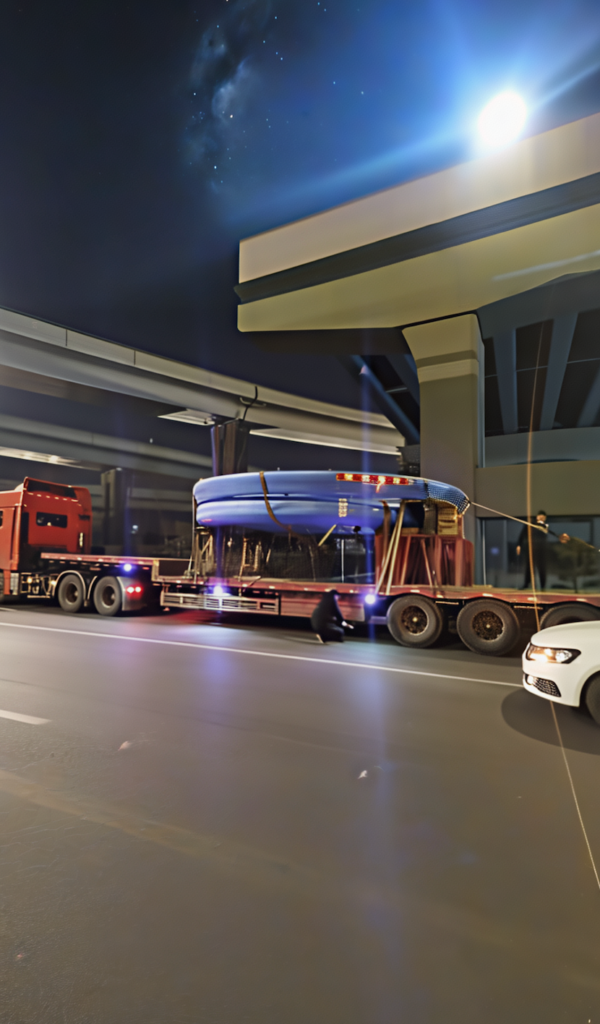
There is a land transportation section from the factory to the loading port, which may occupy more than three lanes of traffic. This requires traffic police to control the traffic on the entire road section and assist with the entire land transportation process of the special bearings. We usually choose to transport them at night.
Maritime transport requires heavy-lift vessels, semi-submersible vessels, or Ro-Ro ships. For China, with its highly developed maritime trade, there are many options available for these specialized vessels.
These are the transportation methods our factory has used to export bearings to over 60 countries worldwide. However, sometimes we also need to consider the conditions of port facilities and land transportation at the customer’s location, and design ultra-large and ultra-heavy bearings in sections to facilitate delivery to the customer’s destination.