
As a bearing application engineer with over a decade of experience in the field of industrial equipment—particularly in the papermaking sector—I’ve encountered many customers facing a familiar dilemma: “Can used bearings really help us cut costs without compromising performance?”
At first glance, the answer seems straightforward. Used bearings are obviously cheaper up front. But in papermaking equipment, where high speed, high humidity, and heavy load environments converge, the decision is rarely so simple.
Understanding the True Cost of Used Bearings
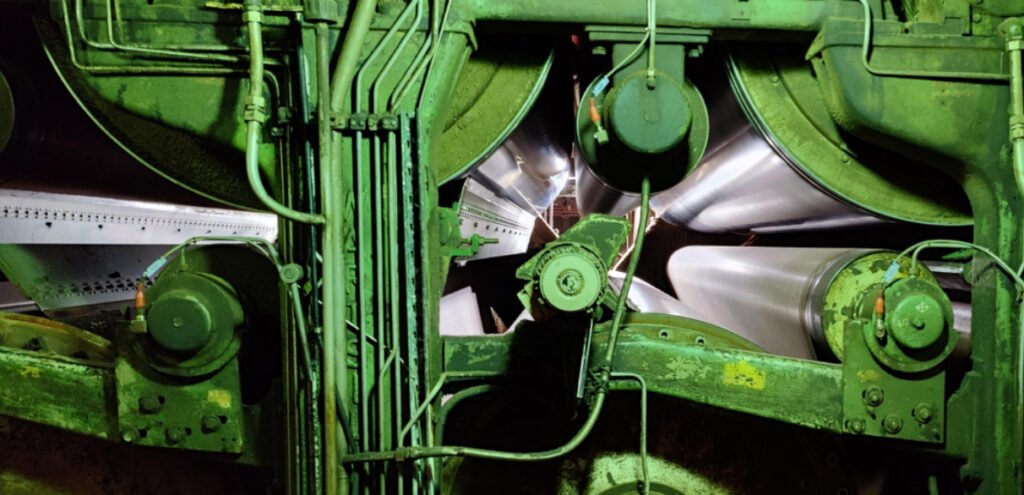
Papermaking machinery—such as Fourdriniers, press sections, and dryer cylinders—operates under extreme conditions. Bearings in these machines endure continuous high temperatures, large radial and axial loads, and significant contamination risks. Under such stress, even minor imperfections or surface fatigue in a reused bearing can quickly lead to catastrophic failure.
I’ve seen customers try to save a few hundred dollars by reusing bearings, only to face unexpected shutdowns that cost tens of thousands in production losses—not to mention maintenance time, labor, and replacement parts. Worse still, a failed bearing can cause collateral damage to other components, multiplying the expense.
From an engineering perspective, it’s not just about cost—it’s about risk management.
Real Cost Comparison: Used vs. New Dryer Section Bearings
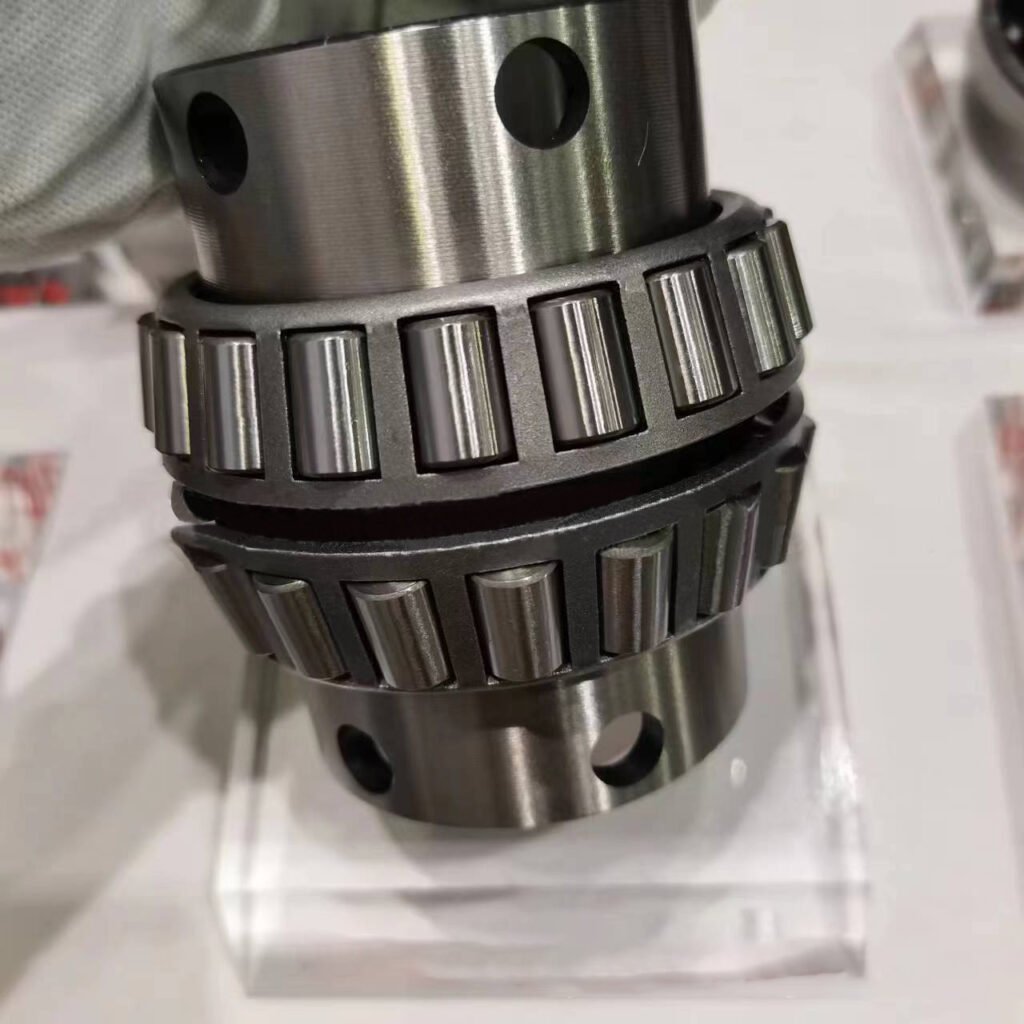
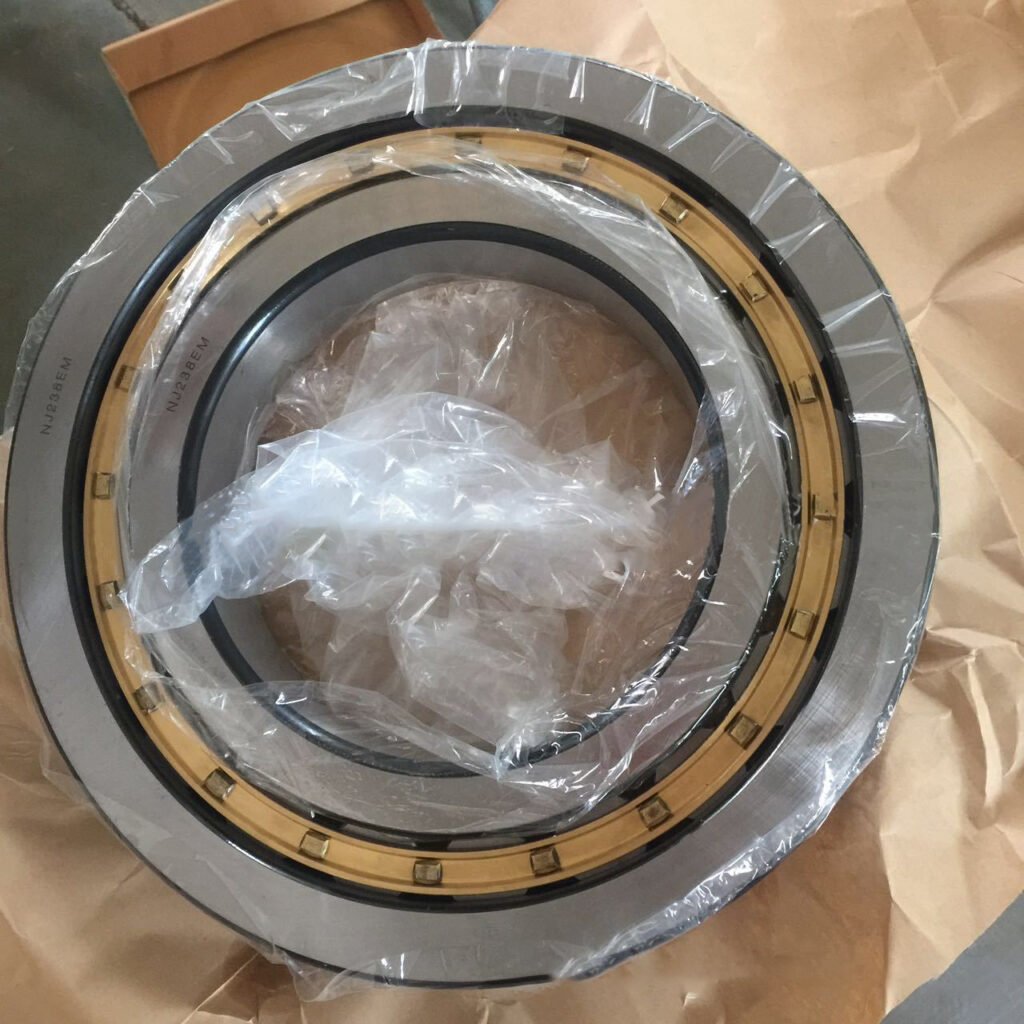
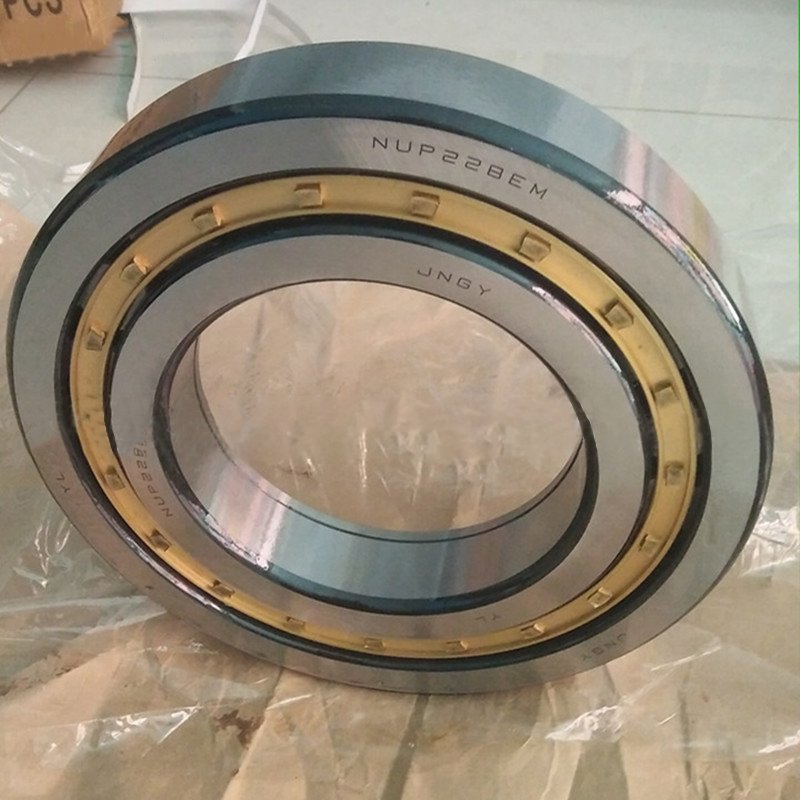
Let’s take a common example: the spherical roller bearing (e.g., 24136 CC/W33) used in the dryer section of a high-speed paper machine. A new bearing from a reputable manufacturer typically costs around USD 350 to 500, depending on brand and origin. A used or refurbished bearing of the same type might be available for USD 150 to 200, seemingly offering a savings of over 50%.
However, if the used bearing fails prematurely—say within 3 to 6 months—it could trigger a production stop costing USD 10,000 to 15,000 per hour in downtime. Add to that labor costs, potential damage to the housing or shaft, and unplanned logistics, and the total consequence of that “cheap” bearing could exceed USD 30,000. In contrast, a new bearing—properly installed and maintained—can reliably run for 2–3 years under typical load and temperature conditions, giving you predictable performance and zero unplanned downtime.
In real terms, you’re risking 30,000+ in losses to save 150–200 upfront. That’s not savings—it’s gambling.
The Case for Cost-Effective New Bearings
That’s where VKUKEN comes in. At VKUKEN, we understand that end users in the papermaking industry need both performance and value. That’s why our bearings are engineered for long service life, reliability in harsh conditions, and a competitive price point that makes the cost-saving appeal of used bearings obsolete.
VKUKEN’s Advantages:
- Superior Steel Quality: All our papermaking bearings use high-purity, vacuum-degassed bearing steel to ensure high wear resistance and fatigue strength.
- Optimized Internal Geometry: Designed specifically for high-speed and high-load papermaking environments, minimizing friction and extending bearing life.
- Advanced Sealing Technology: Our integrated seals and lubrication systems ensure longer intervals between maintenance and reduce the risk of contamination.
- Certified Manufacturing: VKUKEN’s factories operate under strict ISO and IATF standards, and our bearings undergo 100% inspection before shipment.
- Affordable Pricing: Thanks to our vertical integration and optimized production processes, we offer factory-direct pricing—giving you premium quality at a mid-market price.
Real-World Results
Several of our customers in Europe and Southeast Asia have switched from used or refurbished bearings to VKUKEN’s newly manufactured papermaking bearings. Their feedback has been clear: improved equipment uptime, less maintenance downtime, and lower total cost of ownership over the lifecycle of the machine.
One paper mill in Indonesia, for instance, replaced a batch of refurbished dryer section bearings with VKUKEN units. Over 18 months, they recorded a 23% reduction in unplanned maintenance and increased production efficiency by 11%. Their purchasing manager concluded: “VKUKEN helped us reduce costs—not by cutting corners, but by eliminating risk.”
Conclusion: Don’t Gamble with Used Bearings
From my perspective as an engineer, the cost of failure in papermaking equipment is simply too high to justify the use of second-hand or reconditioned bearings. While they may seem cost-effective at first, the long-term risks often outweigh the savings.
If you’re seeking a smarter investment in your production line, I strongly recommend considering VKUKEN’s high-performance papermaking equipment bearings. With our quality assurance, tailored engineering, and competitive pricing, we provide a reliable and economical alternative that truly protects your bottom line.