Skip to content
 Ball bearings are classified according to structure, load capacity, and application scenarios. In industrial applications, several standard types are widely used across machinery, automotive systems, electric motors, and precision equipment.


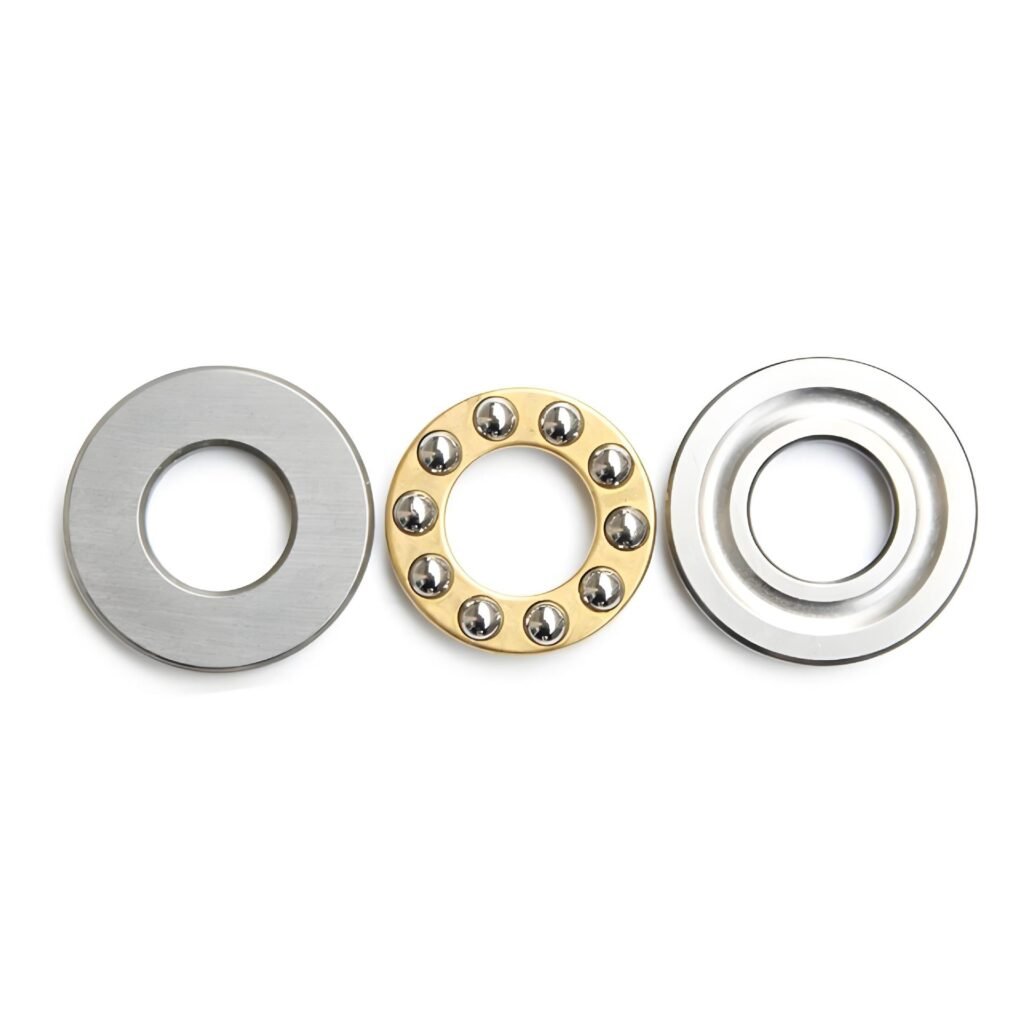

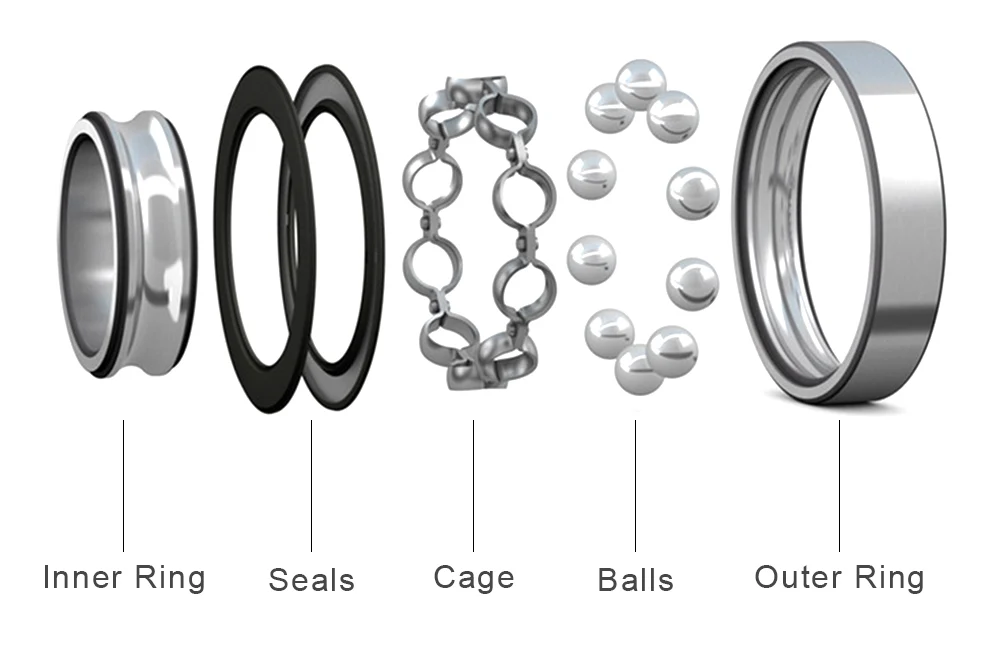
core parts
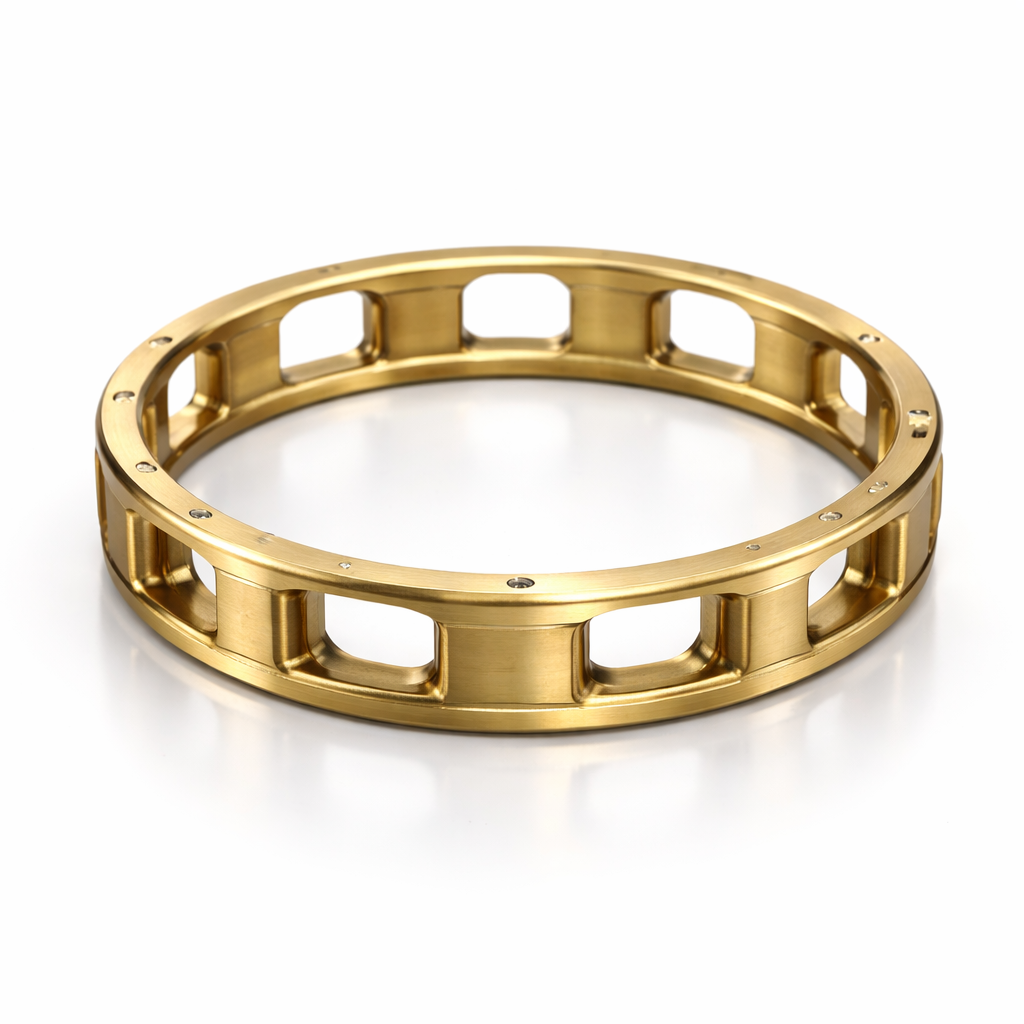
Optional Components
| Material | Characteristics | Typical Applications |
|---|---|---|
| High Carbon Chromium Steel (GCr15 / AISI 52100) | High hardness (HRC 60–64), excellent wear resistance | Standard industrial bearings |
| Stainless Steel (AISI 440C) | Corrosion resistant, moderate load capacity | Food industry, medical, marine |
| Carburized Alloy Steel (e.g., 20CrMnTi) | Tough core, hardened surface | Heavy-duty or shock-load conditions |
| Ceramic (Si₃N₄) | Lightweight, corrosion resistant, high speed | High-speed precision equipment |
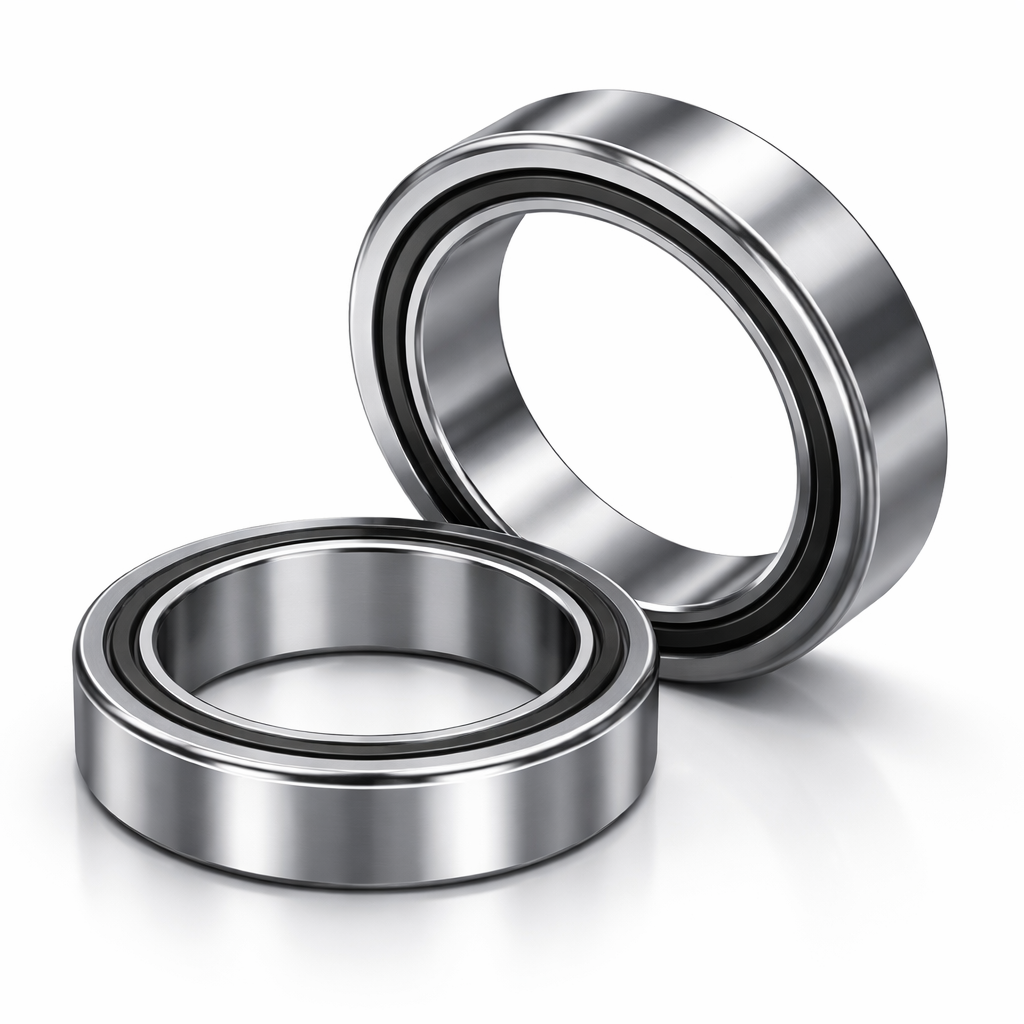
| Material | Advantages | Applications |
|---|---|---|
| Bearing Steel (AISI 52100) | High fatigue strength, cost-effective | General industrial use |
| Stainless Steel (440C) | Corrosion resistance | Humid environments |
| Silicon Nitride (Si₃N₄) | Low density, high speed, non-magnetic | Hybrid ceramic bearings |
| Zirconia (ZrO₂) | Chemical resistance, insulation | Special chemical or electrical systems |
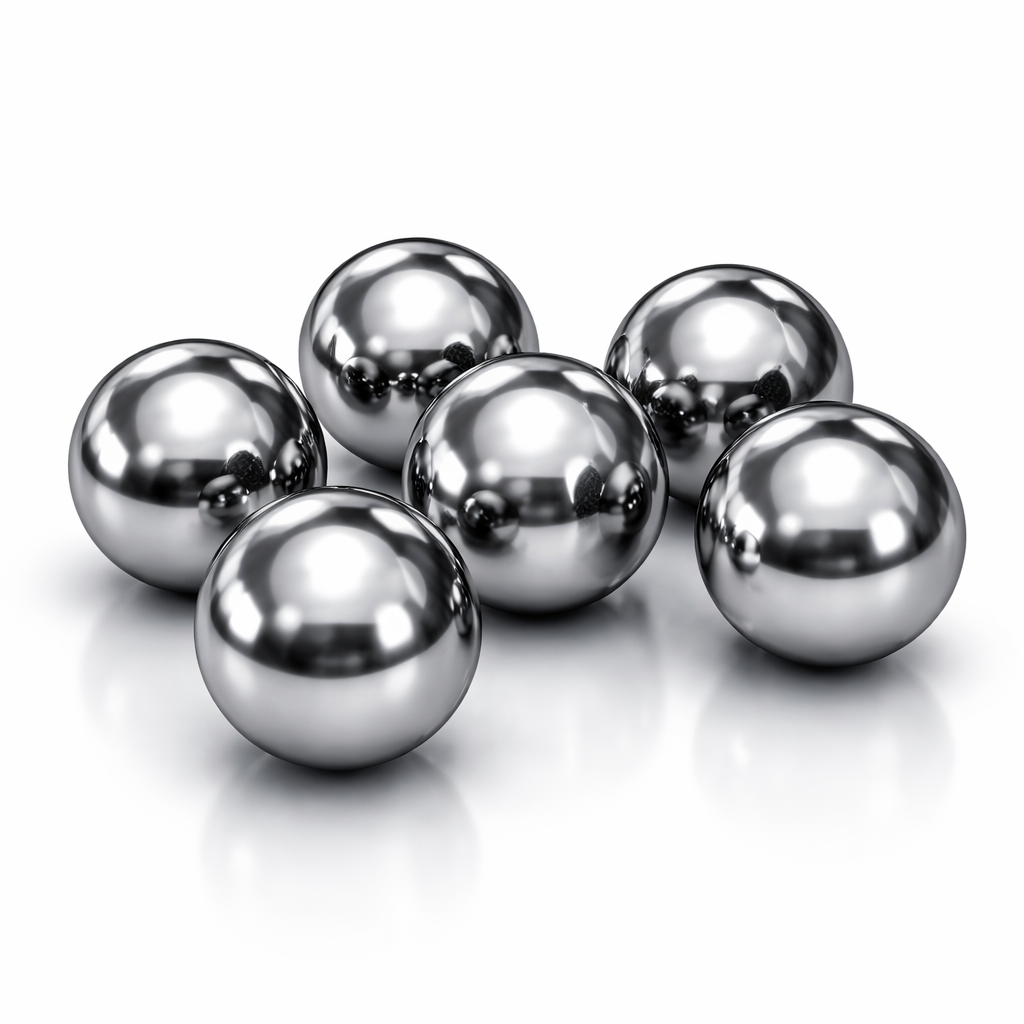
| Material | Features | Application Range |
|---|---|---|
| Pressed Steel | Strong, economical | Standard bearings |
| Machined Brass | High strength, good for high-speed | Large or high-load bearings |
| Nylon (PA66 / PA46) | Lightweight, low noise | Electric motors |
| Phenolic Resin | High-speed stability | Precision machine tools |
| Type | Material | Function |
|---|---|---|
| Metal Shield (ZZ type) | Stainless steel | Dust protection |
| Rubber Seal (RS type) | NBR (Nitrile) | Oil/dust sealing |
| FKM (Viton) | High-temperature resistance | |
| Silicone | Low-temperature flexibility |
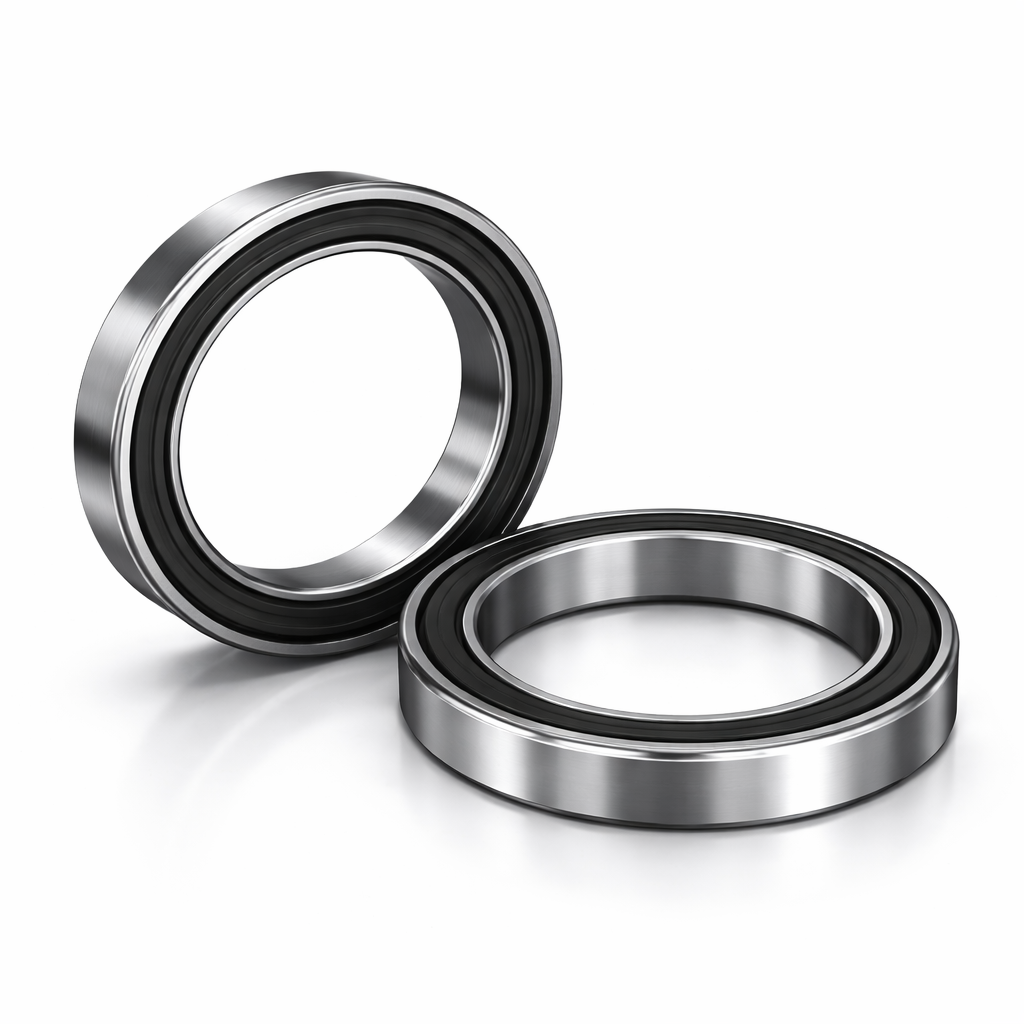
Ball bearing lubrication is essential for reducing friction, preventing wear, Corrosion Protection, dissipating heat, and extending service life. In industrial applications, proper lubrication can significantly improve bearing efficiency, reliability, and maintenance intervals.
Types of Lubrication for Ball Bearings
Grease is the most common lubrication method for ball bearings.

| Grease Type | Characteristics | Applications |
|---|---|---|
| Lithium Grease | Good general performance | Motors, pumps |
| Lithium Complex Grease | High temperature resistance | Automotive |
| Polyurea Grease | Excellent oxidation stability | Electric motors |
| Calcium Sulfonate Grease | Excellent water resistance | Marine equipment |
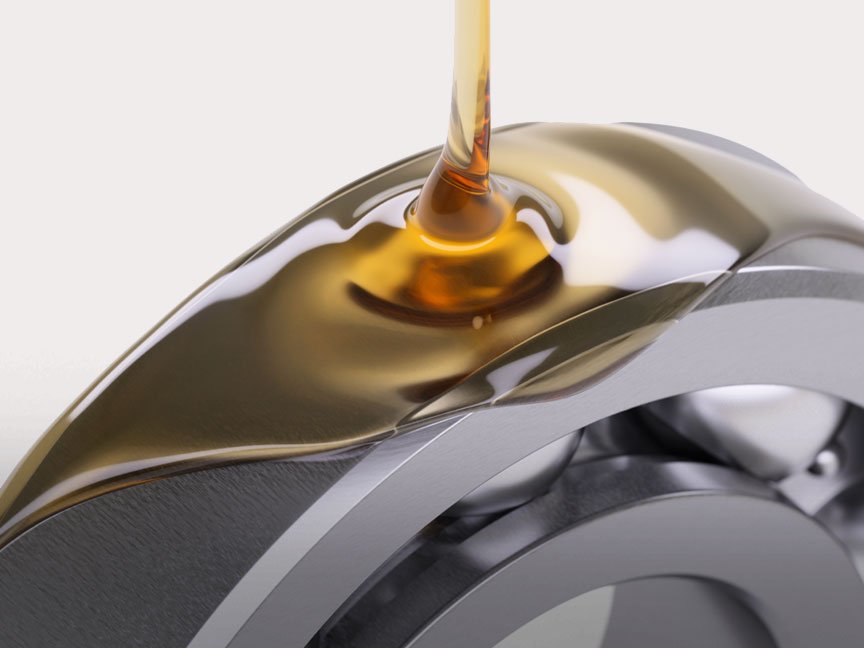
Oil Lubrication
Oil lubrication is preferred in high-speed or high-temperature applications.
Common Oil Lubrication Methods
The bearing is partially immersed in oil.
Typical for gearboxes and industrial machinery.
Oil is pumped through the bearing and filtered before reuse.
Used in high-speed machines and turbines.
Fine oil droplets are carried by compressed air.
Common in high-speed spindles and compressors.
A high-pressure jet of oil is directed at the bearing.
Used in very high-speed aerospace or turbine systems.
Choosing the correct lubricant depends on several operating parameters.
Speed
High-speed bearings require low viscosity oils or light grease to reduce friction.
Temperature
High temperatures require lubricants with:
High oxidation resistance
Stable viscosity
Load
Heavy loads require higher viscosity lubricants to maintain film thickness.
Environment
Special environments may require lubricants with:
Water resistance
Chemical stability
Food-grade certification
If you want to know more about “More Ball Bearings”, you can also search for relevant information in the blog or download page of this website, or you can send us a message directly to explain your needs. Our professional engineers will reply you immediately after receiving your message.
 Optimized by Seraphinite Accelerator